
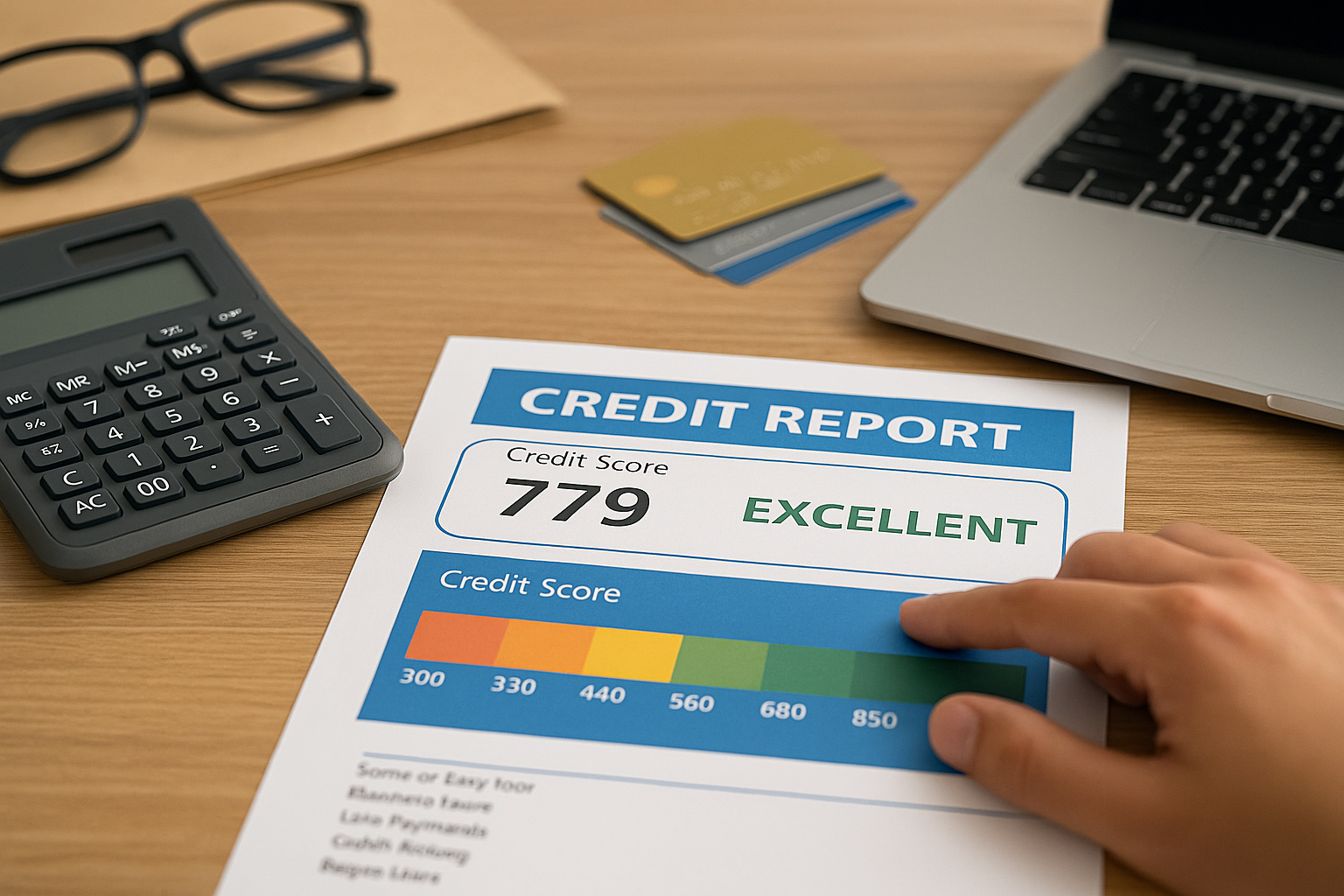
In a competitive job market, employers look beyond resumes and interviews to assess reliability and responsibility. One factor that has quietly gained influence is an applicant’s credit score. While credit checks don’t directly determine professional ability, they often play a role in how employers evaluate financial responsibility, trustworthiness, and risk — especially in positions involving money management or sensitive data.
Why Employers Review Credit Reports
Employers in certain industries, such as finance, government, and corporate security, conduct credit checks as part of background screenings. They don’t see your actual credit score, but they can view your debt levels, payment history, and any major delinquencies. A strong financial track record may signal stability and accountability — traits highly valued in professional settings.
How Credit Issues May Impact Job Opportunities
Poor credit doesn’t automatically disqualify a candidate, but it can raise questions about decision-making and reliability. For roles that require financial integrity or access to company funds, employers may see high debt or frequent late payments as potential risk factors. This perception can indirectly affect hiring decisions, even if the applicant’s professional qualifications are strong.
Legal Protections and Limits
In the U.S., the Fair Credit Reporting Act (FCRA) regulates how employers can use credit information. They must obtain written consent before checking a candidate’s report and provide notice if the credit history influences their decision. Additionally, several states restrict or limit the use of credit checks in employment decisions, particularly for non-financial roles.
Improving Credit Before a Job Search
Job seekers can protect their career prospects by maintaining healthy credit habits: paying bills on time, keeping balances low, and regularly reviewing credit reports for errors. Even small improvements in credit behavior — such as reducing utilization or resolving outstanding debts — can create a positive impression during background screening.
Conclusion
While credit scores aren’t a direct measure of skill or potential, they can subtly influence job opportunities in the U.S. Maintaining good credit demonstrates responsibility and foresight — qualities employers value across industries. By managing both financial and professional reputations wisely, candidates can position themselves for greater success in today’s interconnected job market.