
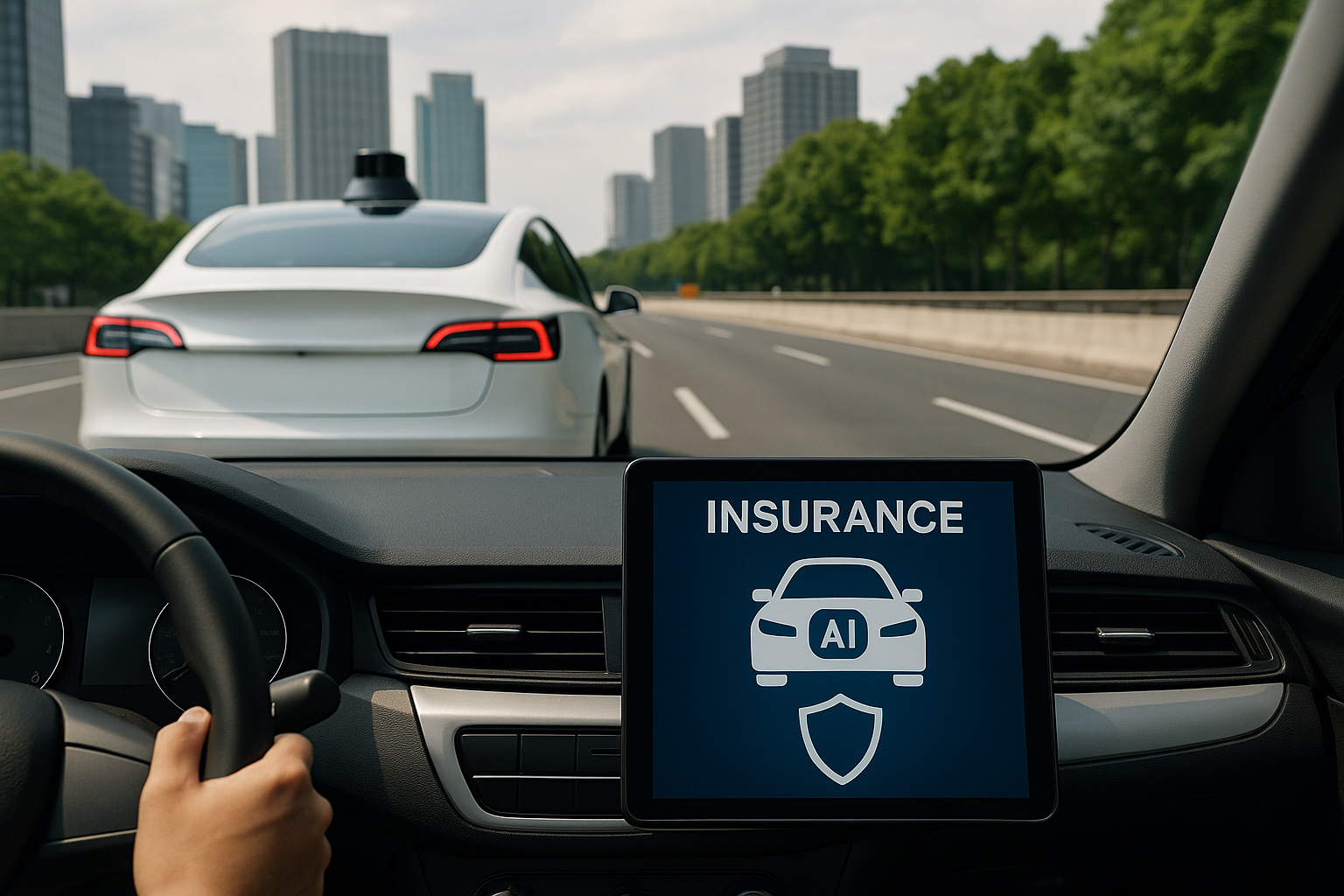
As autonomous vehicles move closer to becoming everyday reality, a new question is transforming the insurance world: Who is responsible when there’s no human driver? Driverless cars shift liability from the person behind the wheel to the technology that operates the vehicle. This emerging model is reshaping policies, payouts, and the entire concept of auto insurance.
Rethinking Responsibility on the Road
In traditional driving, humans are accountable for their decisions, distraction, or misjudgment. But in fully autonomous cars, software makes the choices. When accidents occur, insurers must determine whether responsibility lies with the vehicle owner, the manufacturer, or even the AI system’s software developers. This blurs long-standing lines between personal and product liability.
Automakers and Product Liability
With driverless systems making operational decisions, automakers may hold greater responsibility for malfunctions or flawed algorithms. This aligns insurance more closely with product liability, where companies are accountable for the safety of their technology. If an AI misinterprets road data or fails to react correctly, the fault may shift from driver to developer.
New Forms of Coverage
To address these changing risks, insurers are exploring hybrid models. Policies may combine traditional auto coverage for the car owner with product liability protections for manufacturers. Some companies are even testing usage-based insurance, pricing coverage according to how often autonomous features are used and how they perform.
Safer Roads, Lower Risk
One of the biggest advantages of driverless technology is the potential for fewer accidents. AI systems don’t get distracted, fatigued, or impaired. As autonomous performance improves, claims may decrease, benefiting both drivers and insurers. However, rare but high-impact incidents involving system failures require new strategies to manage risk.
Conclusion
Driverless cars challenge the foundation of auto insurance by shifting responsibility from humans to machines. As technology advances, insurers, automakers, and regulators must collaborate to define fair, effective frameworks for accountability. The future of driving may be autonomous, but the future of insurance will rely on how well we adapt to this intelligent, evolving technology.