
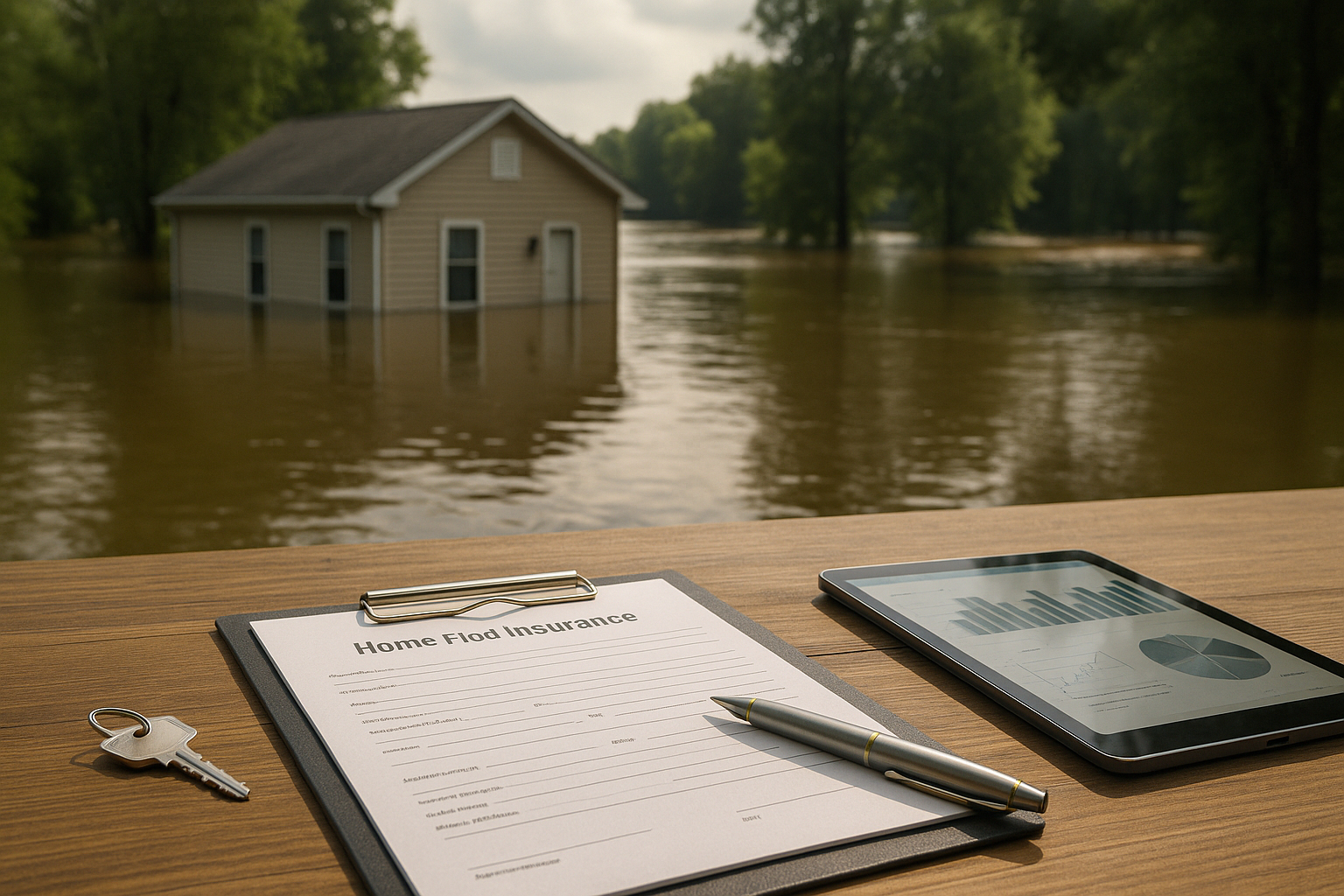
Climate change is reshaping the insurance landscape, driving companies to reassess how they evaluate risk, price policies, and manage long-term financial stability. As extreme weather events become more frequent and severe, insurers face rising claims and increased uncertainty. These shifts are directly influencing insurance premiums, affecting homeowners, businesses, and even health and life insurance policyholders. Understanding this growing connection helps consumers make informed decisions and prepares the industry for a more climate-conscious future.
Rising Claims from Extreme Weather Events
From hurricanes and floods to wildfires and heatwaves, climate-related disasters have surged in frequency and intensity. Each event results in significant property damage and costly claims for insurers. As payouts increase, insurance companies raise premiums to maintain financial balance. Regions prone to high-risk events — coastal cities, wildfire zones, or flood-prone areas — experience the sharpest premium increases as insurers adjust for escalating losses.
Reassessing Risk Models and Coverage Areas
Traditional risk models are no longer sufficient in predicting climate-driven patterns. Insurers are now using advanced data analytics, climate forecasting tools, and historical claims data to update their risk assessments. As certain geographic regions become more vulnerable, insurers may increase premiums, restrict coverage, or withdraw from high-risk markets altogether. This shift underscores the seriousness of climate change and highlights the need for more resilient infrastructure and mitigation strategies.
Impact on Homeowners and Businesses
Homeowners, especially in areas affected by recurring natural disasters, are experiencing some of the largest premium increases. Businesses face similar pressures, particularly those operating in climate-sensitive industries like agriculture, tourism, and coastal development. Higher insurance costs can reduce profitability, limit expansion, and increase operating expenses — prompting many organizations to invest in climate-resilient infrastructure to remain insurable and financially stable.
Influence on Health and Life Insurance
Climate change also impacts health and life insurance premiums. Rising temperatures, pollution, and changing disease patterns contribute to increased health risks. Insurers factor these long-term trends into their pricing models, resulting in higher premiums for certain populations. Conditions like respiratory illnesses, heat-related complications, and climate-triggered mental health challenges all play a role in shaping future insurance costs.
Conclusion
Climate change is a major force reshaping the insurance industry. As extreme weather events increase and risk models evolve, insurers must adjust premiums to stay sustainable. These changes highlight the growing importance of climate resilience — for individuals, businesses, and the industry itself. Understanding how climate change affects insurance pricing helps consumers stay prepared and encourages a more proactive, climate-aware approach to risk management.