
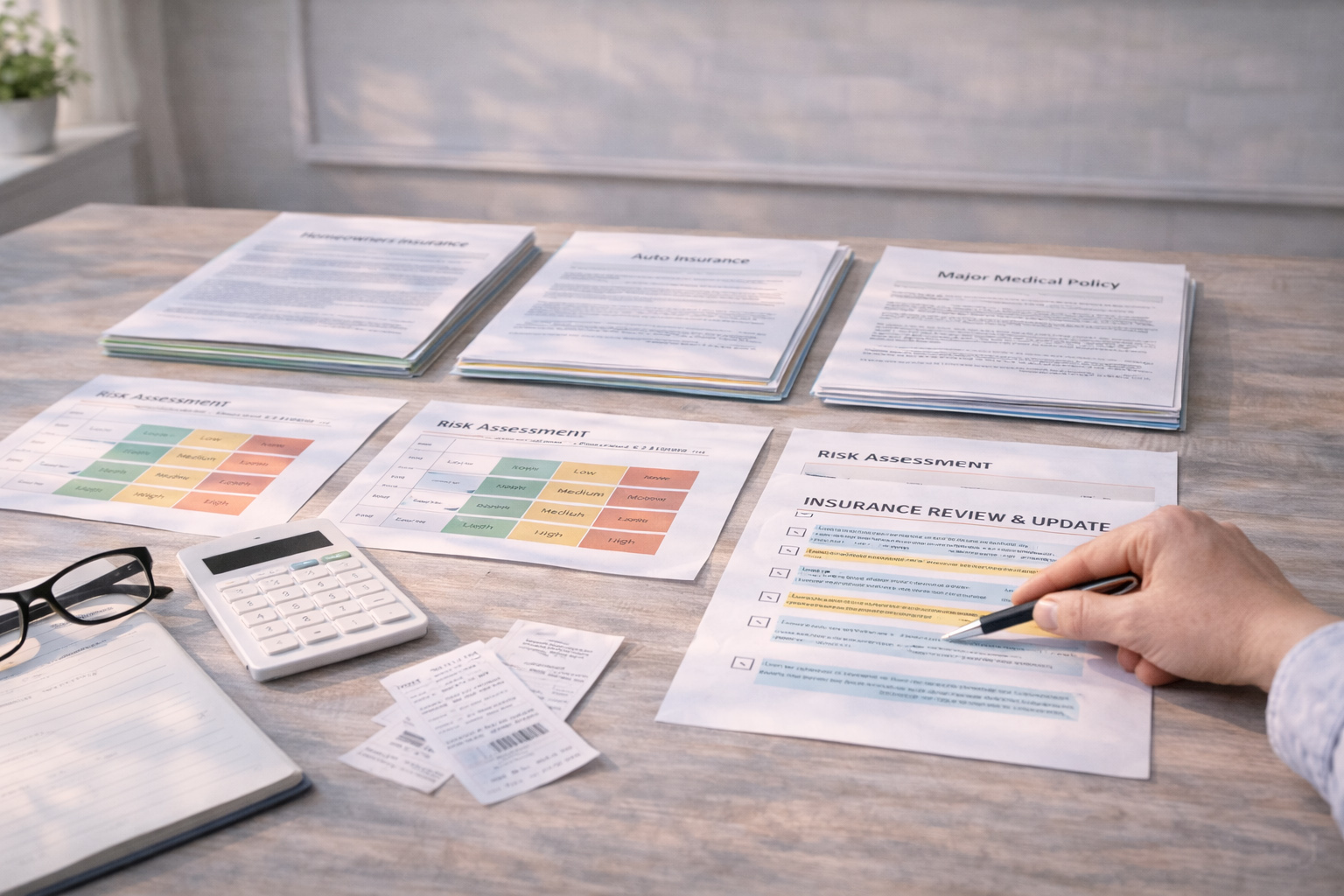
Insurance is most effective when it aligns with the specific risks you face and the resources you can access. Assessing those risks clearly helps prioritize which policies matter most and where coverage can be adjusted. This process balances protection against costs and avoids redundant or insufficient coverage. A periodic and structured review keeps your plan relevant as circumstances change.
Assessing Personal Risks
Begin by listing hazards that could affect your home, health, income, and personal property. Consider frequency and severity: some events are unlikely but would be financially catastrophic, while others are common and manageable. Factor in age, dependents, employment, and asset levels to understand potential exposures. This inventory guides which policy types deserve attention and which limits are appropriate.
Quantifying risks allows you to compare coverage options and prioritize spending. Use realistic scenarios to estimate potential out-of-pocket costs after a claim. That clarity helps avoid both unnecessary premiums and exposed liabilities.
Matching Policies to Needs
Once risks are identified, map them to specific policy features such as deductibles, limits, endorsements, and exclusions. For example, higher deductibles reduce premiums but increase upfront cost at claim time. Riders and endorsements can close important gaps without buying entirely new policies. Focus on core protections first—those that would otherwise cause financial ruin.
Work with a checklist to ensure key exposures are addressed across policies like property, liability, and income protection. Prioritize flexibility when life circumstances suggest change is likely.
Reviewing Costs and Identifying Gaps
Compare total cost of ownership across carriers, including premium trends and discounts for bundling or safety measures. Evaluate whether a lower premium hides higher long-term risk through restrictive coverage or rising deductibles. Pay attention to policy exclusions and aggregate limits that might leave you exposed. Regularly checking policy language reduces surprises during claims.
Use claims history and near-miss events to inform adjustments to coverage. Small investments in prevention can lower premiums and reduce claim frequency over time.
Practical Steps to Review and Update
Set a calendar reminder to review your insurance annually and after major life events such as moving, adding a household member, or starting a business. Collect current policy documents, compare comparable offers, and ask for illustrations that show coverage under realistic scenarios. Keep a concise summary of each policy’s scope and contact information for quick reference. Document changes and confirm effective dates to avoid coverage lapses.
Engaging a trusted advisor can speed the process but maintain personal ownership of decisions. Regular updates make your coverage resilient and cost-effective.
Conclusion
Tailoring coverage to your personal risk profile reduces waste and strengthens protection. Regular assessments and clear prioritization help you adapt as needs evolve. A deliberate, documented approach keeps insurance aligned with practical goals.