
Introduction
Short-term cash shortfalls are common, but clear steps can reduce stress and keep essentials covered. This article outlines practical actions to preserve financial stability over the next few weeks. The goal is to prioritize obligations, free up immediate cash, and create a simple plan that fits your routine. These tactics focus on preserving essentials while avoiding unnecessary strain on credit or relationships.
Assess Immediate Obligations
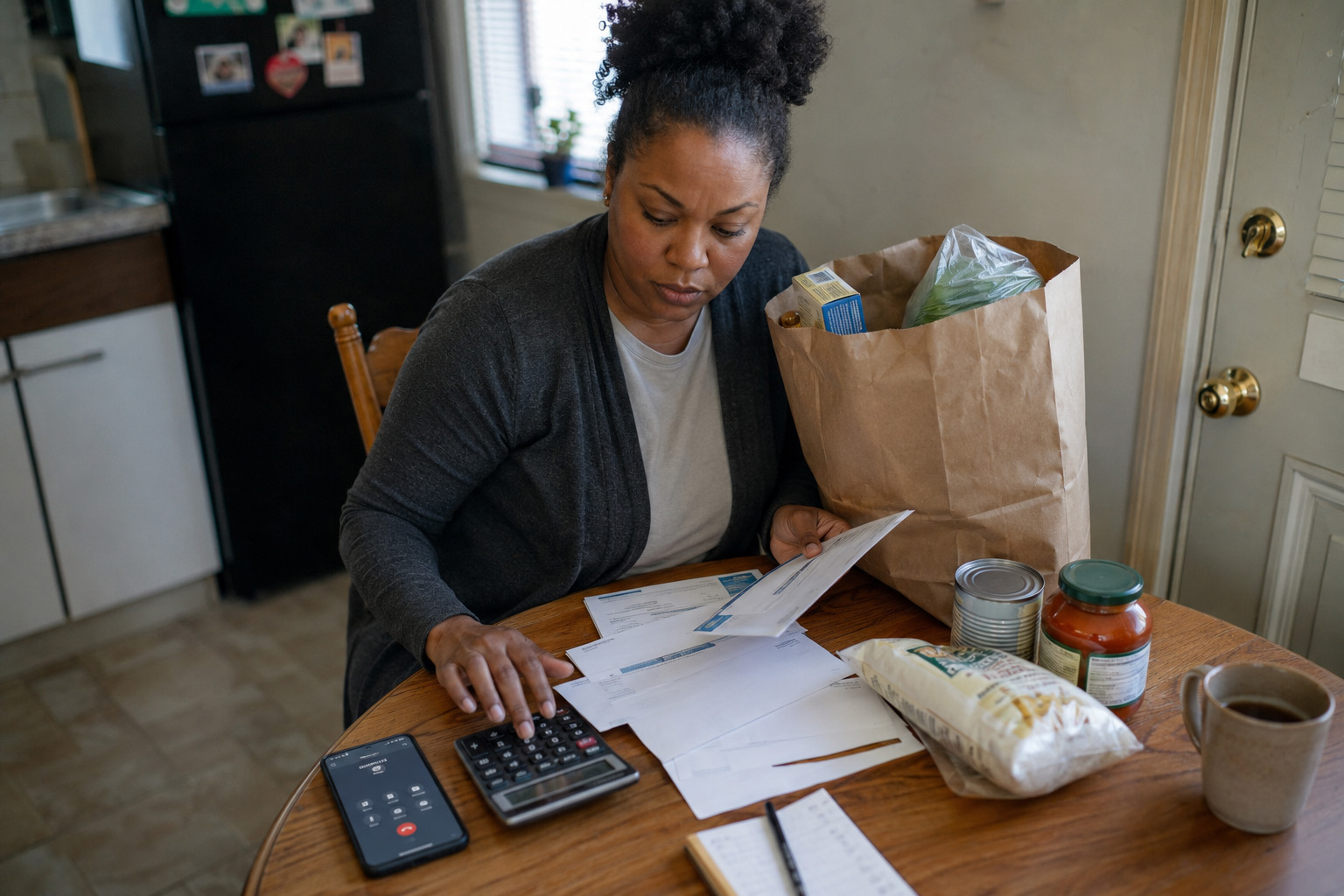
Start by listing obligations due in the next 30 to 60 days and group them by priority: housing, utilities, food, transportation, and minimum debt payments. Identify any flexibility in due dates, such as grace periods or options to defer nonessential bills without penalties. Contact creditors or service providers proactively to ask about short-term arrangements instead of waiting until a missed payment. Doing this early preserves options and reduces late fees or surprises.
Next, check accessible cash sources like a small emergency fund, available checking balance, or refundable deposits. Avoid high-cost borrowing unless there’s no alternative, and treat wearable or sellable items as last-resort options. Keeping a clear list helps you decide which obligations to cover first and which can be safely deferred.
Short-Term Priorities and Quick Cuts
Trim variable spending immediately by focusing on nonessential categories such as dining out, subscriptions, entertainment, and impulse purchases. Small, deliberate cuts can free up meaningful cash across two pay periods without painful sacrifices. Shift grocery shopping to basics, use a price-focused shopping list, and pause any recurring services you can restart later. These adjustments reduce outflow while maintaining essential quality of life.
- Pause or downgrade streaming and subscription services.
- Cook simple meals, buy staples, and avoid convenience items.
- Delay discretionary purchases until cash stabilizes.
Keeping cuts targeted and temporary makes them easier to sustain and reverse once your cash flow returns to normal.
Stabilize and Track for the Next Two Paychecks
Create a short plan that maps expected income against prioritized expenses for the next two paychecks. Allocate funds first to essentials, then to minimum debt payments, and finally to rebuilding a small buffer. Use a simple tracking sheet or app to monitor progress and adjust if actual spending differs from the plan. Regular check-ins reduce surprises and reinforce better decisions.
Once the immediate period passes, rollback temporary cuts gradually and restore small automated savings transfers. Treat this short plan as a reset: it helps you regain breathing room and prevents repeated shortfalls.
Conclusion
Facing a brief cash shortage is manageable with a concise, prioritized plan. Focus on essentials, communicate with creditors, and make temporary spending cuts that are easy to reverse. These steps restore stability and set the stage for rebuilding a small cushion.