
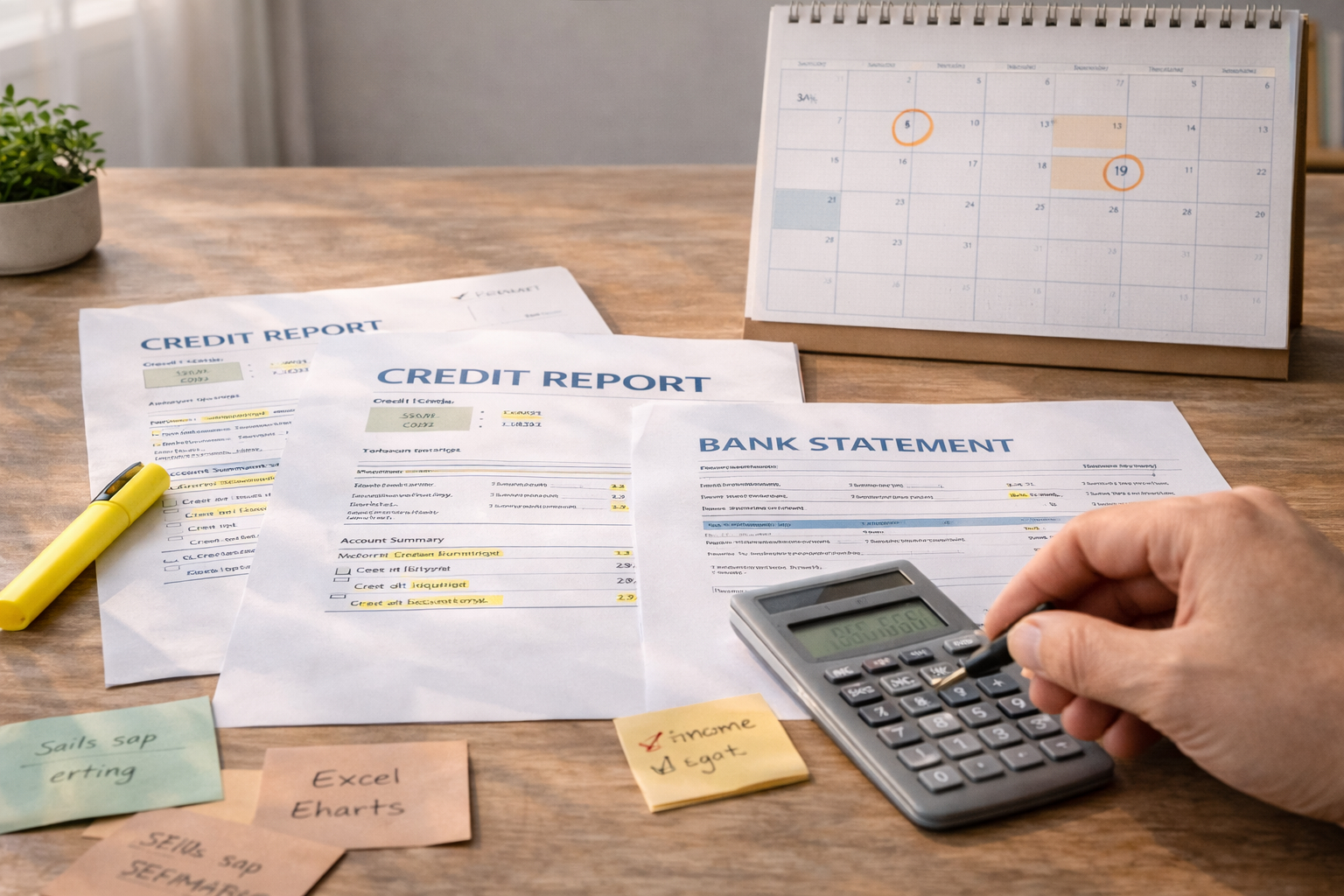
Improving and maintaining a strong credit score is less about dramatic changes and more about steady, repeatable actions. A sustainable routine helps you avoid common pitfalls while gradually building a healthier credit profile. This article outlines practical steps that fit into everyday financial life, designed for consistency rather than speed. With clear habits and occasional monitoring, most people can see meaningful progress over time.
Assess Your Current Credit Standing
Start by understanding where your scores and reports stand today. Pull your credit report from major bureaus and review for errors, outdated accounts, or unfamiliar inquiries. Note factors such as payment history, balances, age of accounts, and recent applications to identify priority areas. Having a clear baseline lets you measure progress and plan targeted changes.
Record the key metrics and set realistic short-term targets. Frequent checks ensure surprises are caught early. Track dates of disputes and resolutions to confirm corrections are completed.
Prioritize On-Time Payments and Lower Balances
Payment history is typically the largest factor in score calculations, so establishing on-time payments is essential. Automate minimum payments, then channel extra funds to high-interest and high-balance accounts to reduce utilization. Aim to keep revolving balances well below available limits; a utilization ratio under 30% is a common target. Consistently paying more than the minimum and reducing debt sends a clear, positive signal to scoring models.
Small, regular overpayments compound into meaningful reductions. Adjust transfers and budgets to maintain this habit. Revisit your payment plan quarterly to keep momentum.
Use Credit Mix and Account Age Strategically
Having a mix of account types can help, but it’s not worth opening unnecessary credit. Keep older, well-managed accounts open to preserve average account age, and only add new lines when they serve a specific purpose. Thoughtful decisions about account openings and closures protect the credit history that supports your score.
Avoid closing old cards out of frustration with a single purchase. Consider a targeted approach when you need additional credit. When in doubt, consult a trusted advisor to weigh trade-offs.
Monitor, Dispute, and Adjust Regularly
Regular monitoring helps you spot identity issues, reporting mistakes, or sudden shifts from new balances. Dispute inaccuracies promptly with the reporting bureau and the creditor, following up until the item is corrected. Set a schedule—monthly quick checks and a comprehensive review quarterly—to stay proactive. Use alerts and budgeting tools to keep behavior aligned with your goals.
Consistent oversight prevents small problems from becoming setbacks. Make adjustments as life circumstances change. Leverage free alerts or credit tools offered by many services to simplify monitoring.
Conclusion
A durable credit routine blends timely payments, mindful borrowing, and regular review. Small, consistent actions outperform occasional big moves when it comes to long-term score improvement. Build habits that fit your life and check progress periodically.