
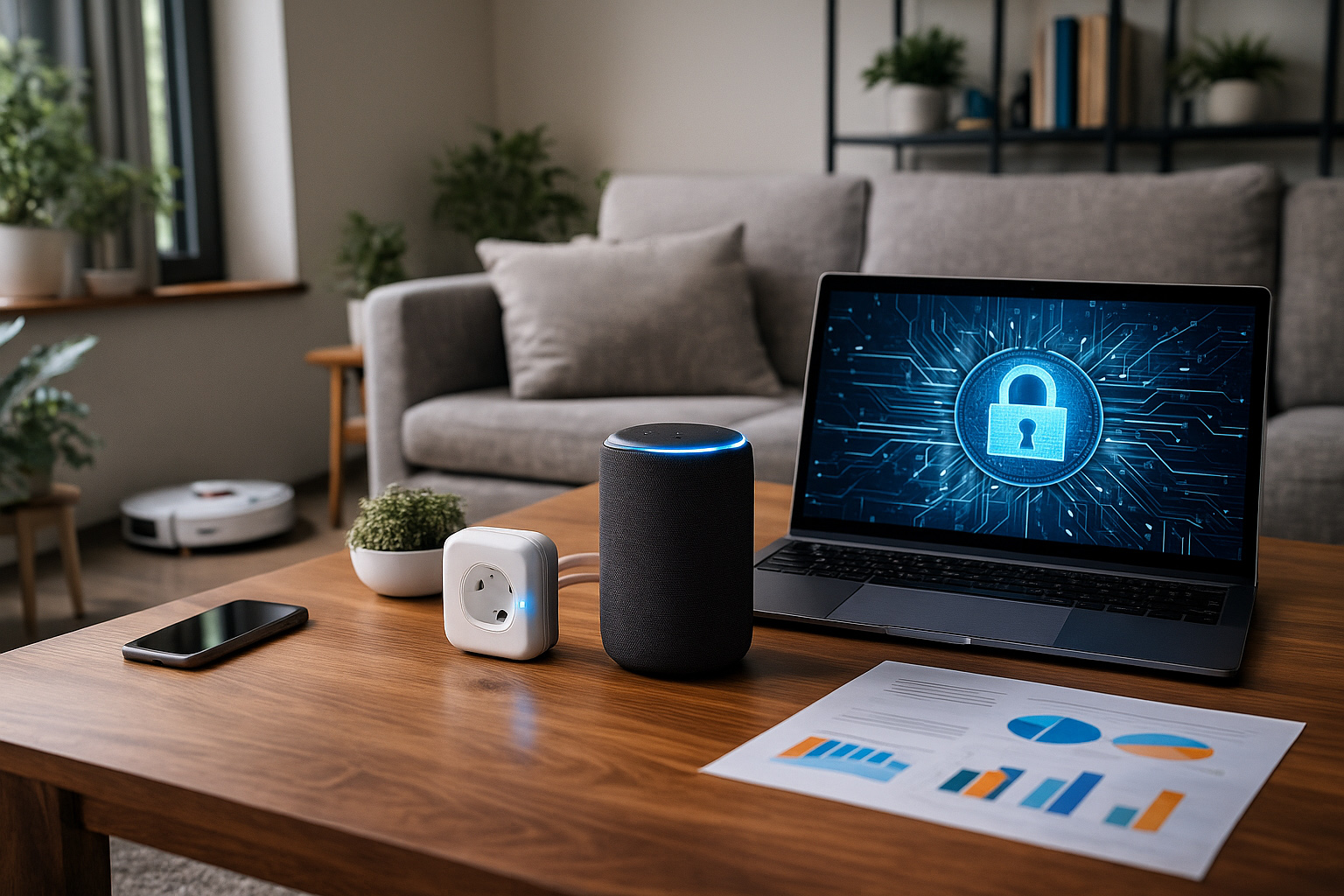
Homes are becoming smarter every year, filled with connected appliances, AI assistants, and always-on IoT devices. While these tools add convenience, they also introduce new digital risks that traditional home insurance was never designed to cover. Cyber-home defense insurance is emerging as a modern solution—protecting households from digital attacks, device failures, and privacy breaches tied to smart technology. As homes evolve, this coverage is becoming essential for safeguarding both digital and physical well-being.
Protecting Smart Devices from Cyber Threats
Connected devices can become entry points for hackers. Smart fridges, doorbell cameras, thermostats, and AI speakers all run on software that can be compromised. Cyber-home defense policies cover damage caused by hacking, unauthorized access, and digital tampering. Whether it’s a malware attack on a smart TV or a compromised home assistant, this coverage shields homeowners from repair costs and data-related losses.
Securing Personal Data and Digital Privacy
Many IoT devices collect personal information—voice recordings, location data, usage patterns, and more. If this data is stolen, leaked, or misused, the consequences can be severe. Cyber-home insurance provides support after privacy breaches, including expert recovery assistance, data restoration, and costs associated with identity protection. This ensures that households have a safety net when digital exposure becomes a threat.
Coverage for Device Failure and System Breakdowns
Smart devices rely on complex software and cloud connectivity. Even minor glitches can disrupt essential functions, from security cameras to automated lighting. Cyber-home defense policies can include coverage for software failures, corrupted firmware updates, or system malfunctions that interrupt daily life. This offers peace of mind for homeowners who rely heavily on synchronized smart-home ecosystems.
Protecting Financial Loss
Cyber-attacks on household devices can lead to financial risks such as unauthorized purchases, fraudulent transactions, or ransom demands. Cyber-home insurance helps recover losses and provides guidance on resolving incidents. By pairing digital protection with traditional home insurance, households gain full-spectrum defense that aligns with modern technology use.
Conclusion
Cyber-home defense insurance bridges the gap between traditional property coverage and today’s connected lifestyle. By protecting smart devices, securing personal data, and offering support after digital disruptions, this policy prepares households for the realities of a smart-home future. As connected technology becomes the norm, cyber protection will be just as essential as physical home security.