
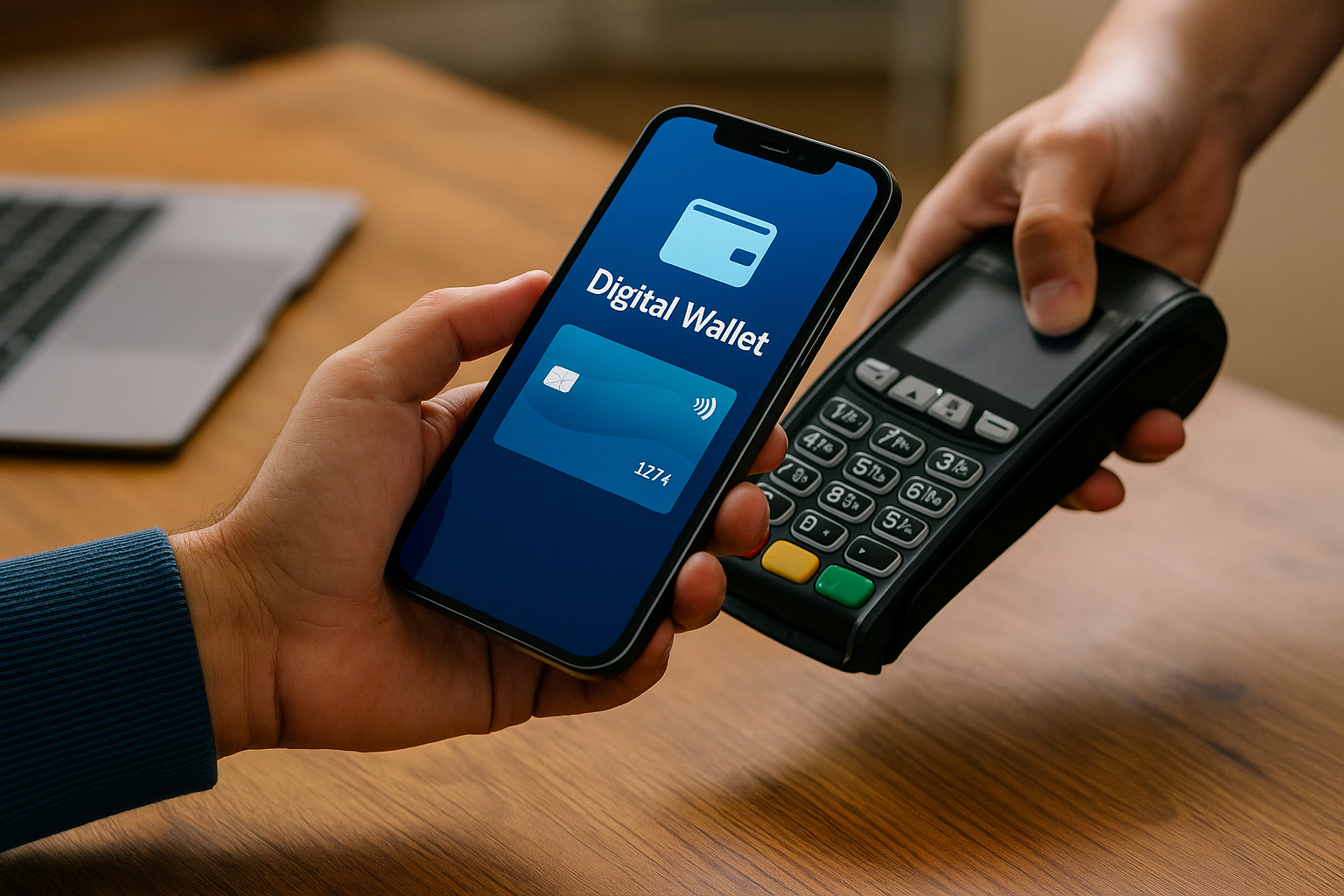
Digital wallets and new payment technologies have become everyday essentials for millions of people. Whether you’re tapping your phone at checkout, sending money to a friend, or storing loyalty cards in one place, these tools promise convenience and speed. As more apps and platforms enter the market, consumers are discovering new ways to manage their finances without pulling out a physical wallet. But the real question is whether these innovations truly simplify life—or simply replace one set of tasks with another.
Why Digital Wallets Are Becoming the New Normal
Digital wallets offer a faster, more seamless way to pay for everyday purchases. Instead of fumbling for cash or cards, users can make secure transactions with a single tap or scan. Many wallets also integrate rewards, receipts, and transaction history, helping people stay organized. For busy individuals who value efficiency, these features make daily routines smoother and more predictable.
Security Features That Build Confidence
Modern payment technology emphasizes security through encryption, biometric authentication, and tokenization, which replaces sensitive data with temporary codes. This reduces the risk of card theft or fraud during online and in-person transactions. While no method is completely risk-free, digital wallets often add multiple layers of protection beyond traditional card swipes. As consumers grow comfortable with these protections, adoption continues to rise.
Managing Money Has Never Been More Convenient
One of the biggest advantages of digital payment tools is the ability to manage finances in real time. Users can track spending instantly, set payment reminders, and monitor budgets directly within the app. Peer-to-peer transfers make splitting bills or sending quick payments effortless. For those juggling multiple accounts, wallets act as a centralized hub that keeps financial life more organized and accessible.
Potential Drawbacks to Consider
Despite their benefits, digital wallets require reliable internet access and a charged device, which can be limiting at times. Not all merchants accept contactless payments, and switching between apps may become overwhelming as new platforms emerge. Some users may also worry about data privacy, especially when apps track purchase behavior. Understanding these factors helps consumers choose the tools that fit their comfort level and lifestyle.
Conclusion
Digital wallets and new payment technologies offer speed, convenience, and enhanced security, making everyday financial tasks easier for most users. By choosing trusted platforms and staying mindful of privacy, consumers can enjoy a more streamlined and efficient payment experience.