
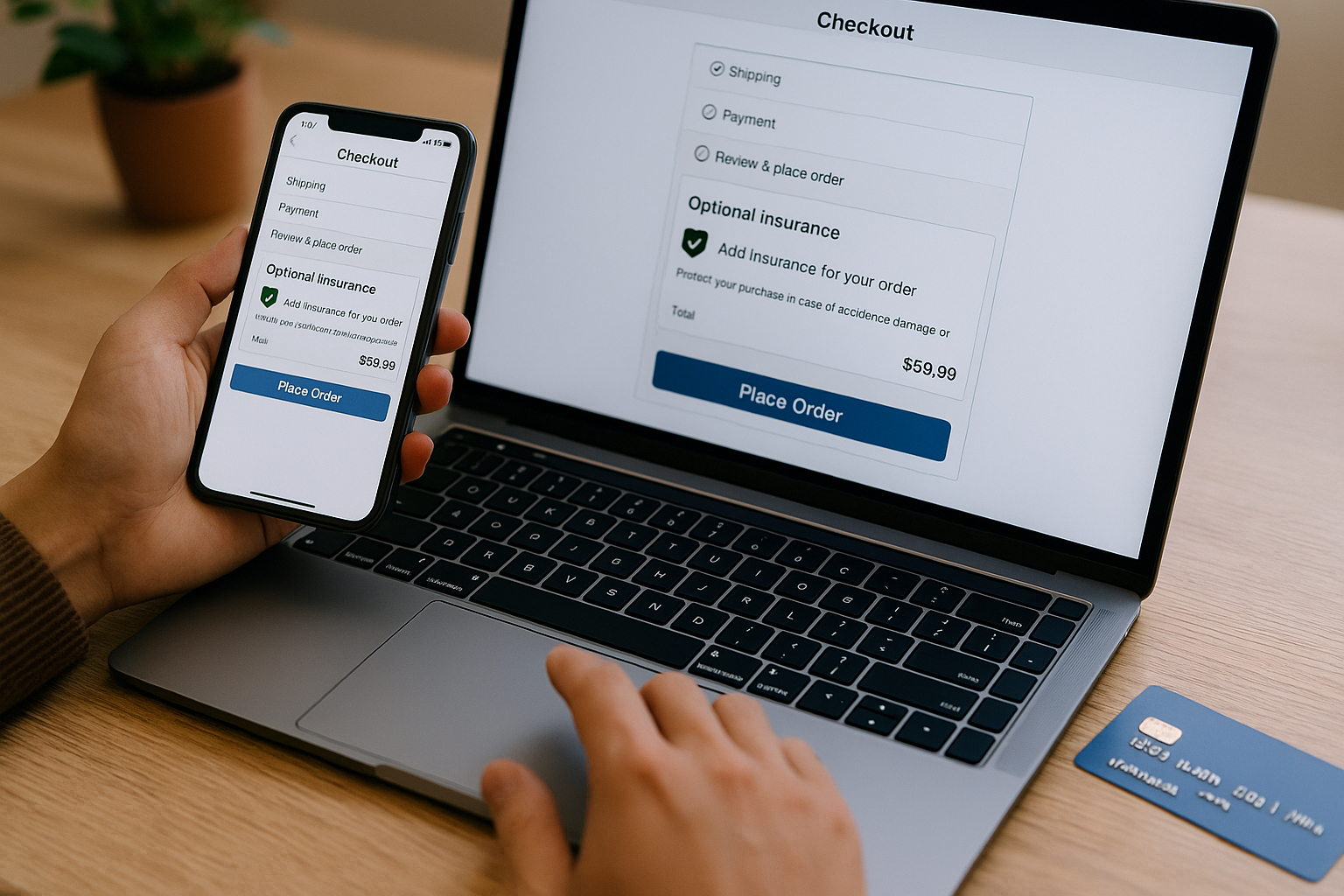
The insurance industry is experiencing a quiet revolution, seamlessly integrating protection into everyday transactions. Known as embedded insurance, this model allows consumers to purchase coverage at the same moment they buy a product or service — whether booking a flight, renting a car, or buying a smartphone. In 2025, this trend is transforming how people think about insurance — making it faster, simpler, and more relevant to modern lifestyles.
What Is Embedded Insurance?
Embedded insurance integrates insurance products directly into the buying process of another product or service. For example, when you purchase an airline ticket, you might be offered travel insurance at checkout. Or when you buy a new phone, you can add device protection with one click.
This model eliminates the need for separate applications or lengthy policy comparisons. Instead, coverage becomes a natural part of the purchase journey, driven by partnerships between insurers, retailers, and digital platforms.
Why Embedded Insurance Is Growing
Several factors are fueling this rise:
-
Digital Integration: As e-commerce and mobile payments expand, embedding insurance has become easier and more efficient.
-
Consumer Convenience: Modern buyers value speed and simplicity. Embedded insurance reduces friction and decision fatigue.
-
Data-Driven Personalization: Using AI and analytics, insurers can tailor coverage to individual behaviors — such as offering travel delay protection based on your itinerary or product warranties matched to your purchase.
Benefits for Consumers and Businesses
For consumers, embedded insurance provides instant protection at the point of need. It removes paperwork, offers transparent pricing, and ensures coverage is available precisely when relevant. For businesses, it enhances customer loyalty and creates new revenue streams.
Retailers, fintechs, and travel companies now collaborate with insurance providers to integrate micro-policies — short-term or usage-based coverage — directly into their platforms. These include protection for ride-sharing, gadgets, deliveries, or even event cancellations.
A Shift Toward Embedded Financial Wellness
Beyond convenience, embedded insurance reflects a larger trend toward financial ecosystem integration. Consumers increasingly expect financial security to be built into their daily experiences — not as a separate chore. Whether it’s car-sharing with automatic accident coverage or paying for health services that include wellness insurance, protection is becoming a seamless extension of everyday life.
Challenges and Considerations
While embedded insurance offers convenience, transparency remains crucial. Consumers must understand what is — and isn’t — covered. Regulators are focusing on clarity and fairness, ensuring that embedded options don’t lead to unintentional purchases or hidden terms.
Conclusion
Embedded insurance is redefining how we buy and experience protection. By merging coverage with convenience, it transforms a once-complicated process into a simple, user-friendly part of daily life. As digital ecosystems grow, this innovation ensures that insurance is no longer an afterthought — but an effortless safeguard woven into every transaction.