
Introduction
When a paycheck looks smaller than expected, a short, clear plan helps prevent stress from turning into harm.
This checklist focuses on immediate priorities you can act on in days, not weeks.
It balances protecting basics, shifting nonessential spending, and finding small, reliable inflows.
Use these steps to keep essentials covered while you stabilize your cash position.
Assess Immediate Obligations
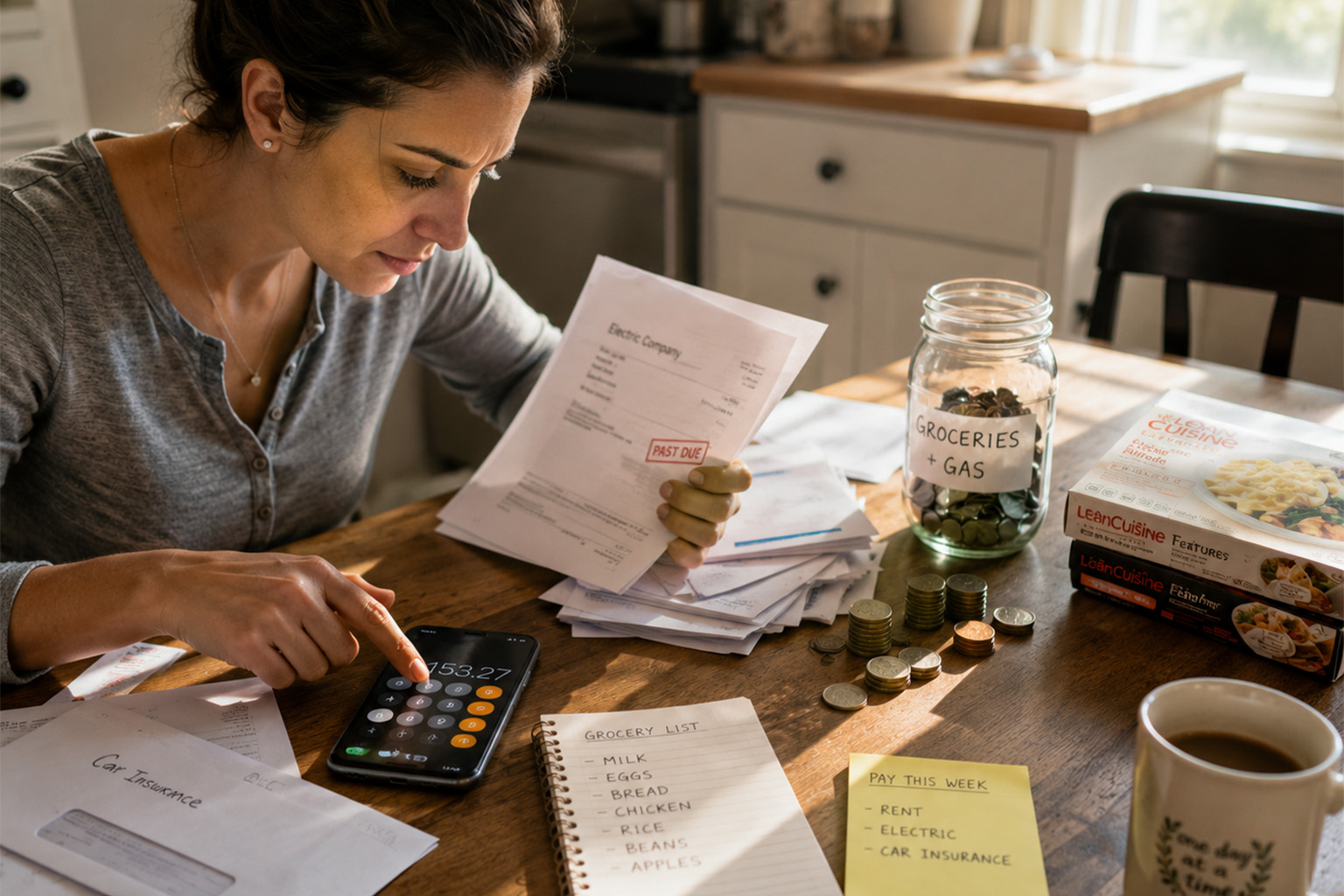
Start by listing unavoidable bills due before your next income arrives and rank them by consequence.
Rent, mortgage, utilities, groceries, and critical transport typically top the list but local priorities may differ.
Estimate the minimum amounts needed to keep those services and essentials intact.
This focused audit helps you decide which payments must be made now and which can be deferred.
- Prioritize shelter and utilities to avoid service loss.
- Plan a minimal grocery run rather than full stocking.
Having a ranked list reduces guesswork and speeds decision-making.
It’s easier to communicate with providers when you know exactly what you can pay.
Reallocate and Delay Non-Essentials
Identify subscriptions, discretionary purchases, and transfers that can pause or shrink for a pay period.
Small recurring charges add up; cancel or freeze trials, streaming, and nonessential deliveries immediately.
Temporarily reduce discretionary categories like eating out, entertainment, and hobby spending.
These quick cuts often free up meaningful cash without long-term sacrifice.
- Temporarily pause subscription services and automated transfers.
- Switch to lower-cost modes of transport and delay large purchases.
Reallocating these small amounts can cover essentials and relieve pressure.
Document changes so you can easily restore services when funds recover.
Boost Short-Term Liquidity
Look for one-off sources of cash such as selling an item, picking up a short gig, or collecting an owed payment.
Avoid high-cost borrowing whenever possible; consider family, friends, or employer advances with clear repayment plans.
Use low-friction options first: a fast freelance task, extra shift, or a small online sale.
These inflows are temporary but often enough to bridge the gap to the next paycheck.
- Offer to swap shifts or take freelance microtasks.
- List an unused item for quick local sale or marketplace pickup.
Track any extra income separately to avoid confusing it with regular pay.
Apply inflows directly to the prioritized obligations to restore balance quickly.
Protect the Next Paycheck
Once immediate needs are met, preserve the next paycheck by setting a lean baseline budget and automating essentials.
Reserve a small, untouchable buffer—no matter how modest—to reduce recurrence of the crisis.
Communicate with recurring payees if you need to adjust due dates or payment amounts proactively.
This preparation turns one difficult period into a short interruption rather than a recurring problem.
- Create a minimal automated split funneling money to essentials first.
Clear expectations and small automation reduce the chance of repeating the shortfall.
Treat the recovery period as temporary and track progress weekly.
Conclusion
Acting quickly with a prioritized checklist prevents panic and preserves essentials.
Small reallocations, brief inflows, and clear communication bridge you to the next pay cycle.
Use this plan to regain control and avoid unnecessary high-cost fixes.