
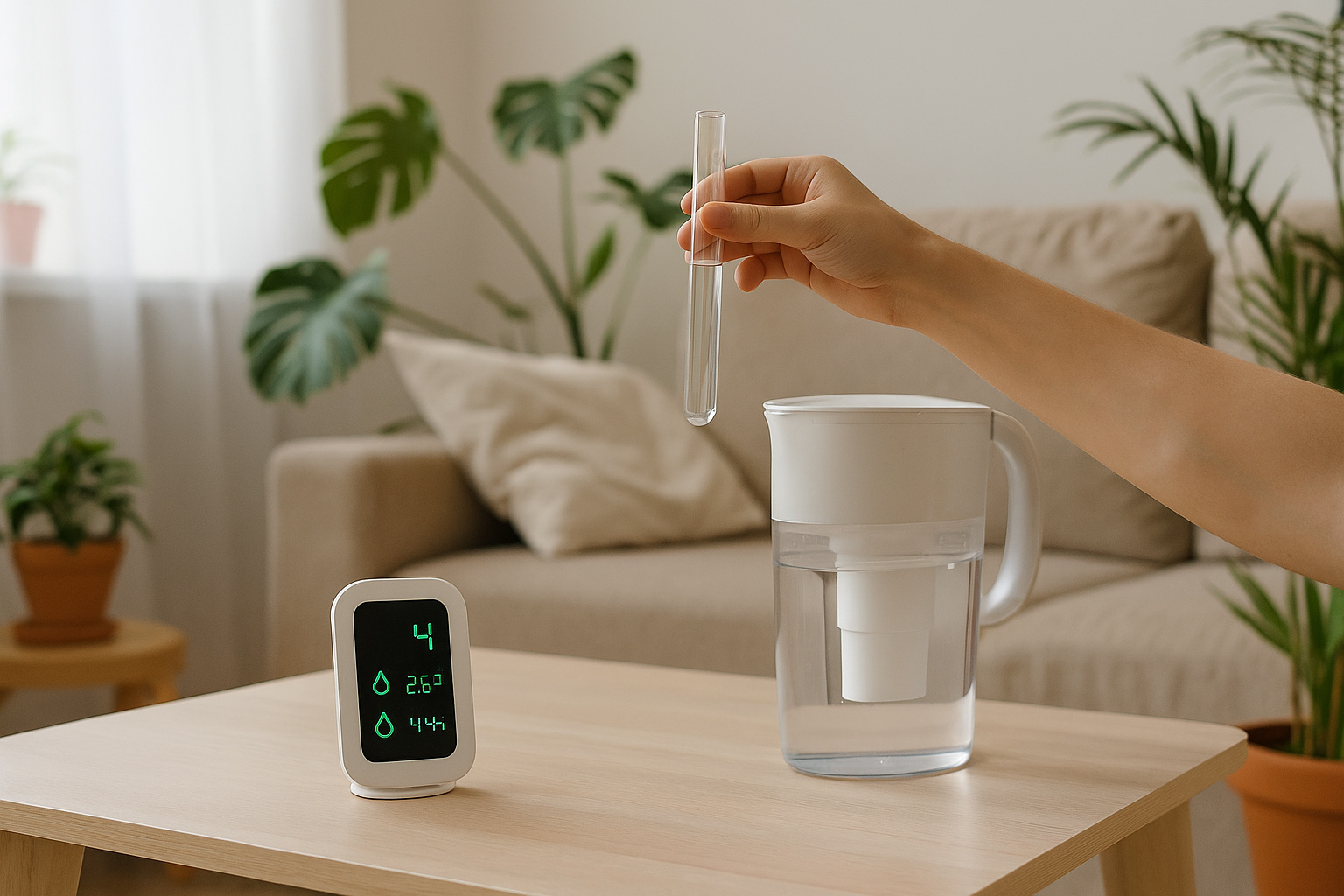
Many of the biggest threats to our well-being are the ones we barely notice. Air quality fluctuations, unsafe water consistency, noise pollution, and other micro-risks affect health over time without showing immediate warning signs. As people become more aware of these hidden dangers, a new category of protection—invisible risk insurance—is emerging. This coverage addresses subtle environmental hazards that traditional policies often overlook. For families and workers alike, this insurance helps safeguard against the long-term impact of the risks we rarely see but constantly experience.
Understanding the Hidden Threats Around Us
Invisible risks come from everyday sources: polluted air circulating through homes, minerals or contaminants in drinking water, steady noise exposure from traffic or machinery, and micro-particles that accumulate in indoor environments. These hazards may not cause instant harm, but they can contribute to chronic issues such as respiratory problems, fatigue, allergies, or stress-related conditions. Invisible risk insurance acknowledges these subtle impacts and offers support for monitoring, testing, and health-related costs associated with long-term exposure.
Why Traditional Insurance Falls Short
Conventional insurance focuses on accidents, illnesses, and property damage with clear, immediate consequences. But many environmental risks develop slowly and are difficult to trace directly to a single incident. Because of this, they are often excluded or insufficiently addressed in standard policies. Invisible risk insurance fills that gap by covering tests, remediation, specialized treatments, and preventive measures tied specifically to environmental quality. This helps individuals receive protection for issues that otherwise would go unnoticed or uncovered.
What Invisible Risk Insurance Supports Health and Safety
Policies in this category often include coverage for home air-quality assessments, filtration improvements, water purity testing, and soundproofing measures. Some plans may extend benefits for medical consultations related to long-term environmental exposure. By supporting early detection and risk prevention, this insurance empowers households to create safer living conditions. It also provides reassurance for renters, homeowners, and workers who want to protect themselves from subtle hazards in their environment.
Preparing for the Future of Micro-Risk Awareness
As technology advances, sensors and smart devices are making it easier to track environmental quality in real time. These tools reveal how often we are exposed to harmful micro-risks without realizing it. Invisible risk insurance complements this new awareness by offering tailored coverage that evolves with changing environmental conditions. As people prioritize long-term wellness, demand for this type of insurance is expected to grow.
Conclusion
Invisible risk insurance helps protect individuals from the subtle environmental threats often overlooked in daily life. By addressing air quality, water safety, noise exposure, and micro-risks, it provides coverage that traditional policies typically ignore. With proactive support and preventive care, this insurance helps people build healthier and safer environments for the future.