
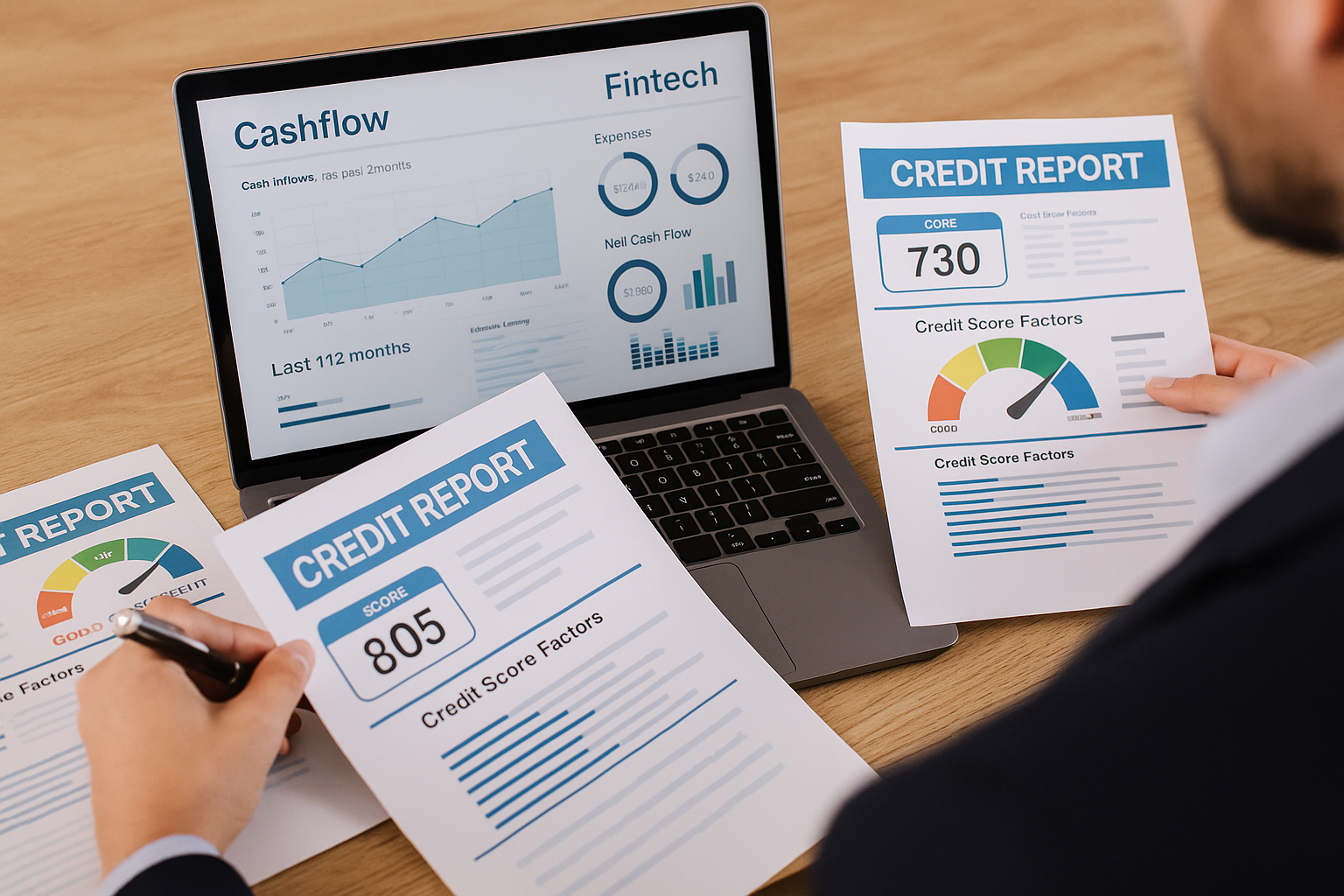
For decades, traditional lenders have relied heavily on CIBIL scores and other credit ratings to evaluate borrowers. While credit history is still important, the lending landscape is shifting. With the rise of fintech innovation, many lenders are increasingly prioritizing cashflow analysis and alternative data over traditional credit scores.
Why the Shift?
A CIBIL score is a backward-looking measure based on past credit behavior. However, it doesn’t always reflect a borrower’s current financial health. For instance, small business owners or gig workers may have irregular cashflow but still be highly creditworthy. Fintech platforms are addressing this gap by analyzing real-time income, spending, and cash management patterns to assess repayment ability more accurately.
Cashflow-Based Lending
By linking bank accounts, payment apps, and digital wallets, fintech lenders can see a live picture of a borrower’s financial behavior. Regular income deposits, consistent bill payments, and healthy balances often carry more weight than a historical score. This approach opens doors for individuals and businesses traditionally underserved by banks.
Role of Fintech
Fintech companies are using AI and machine learning to analyze huge datasets—everything from utility payments to e-commerce spending. This innovation allows them to underwrite loans quickly, often with less paperwork and faster disbursal. It also enables more personalized loan offerings tailored to borrower profiles.
Implications for Borrowers
For consumers, this trend means greater access to credit—even for those with low or no CIBIL scores. Borrowers with strong, consistent cashflow may qualify for competitive loans despite thin credit histories. However, it also means transparency: financial habits are increasingly under the microscope.
Conclusion
The future of lending is shifting from a reliance on rigid credit scores to a more dynamic, real-time evaluation of financial health. With fintech driving the change, cashflow analysis is becoming the new cornerstone of lending decisions, creating a more inclusive and efficient credit ecosystem.