
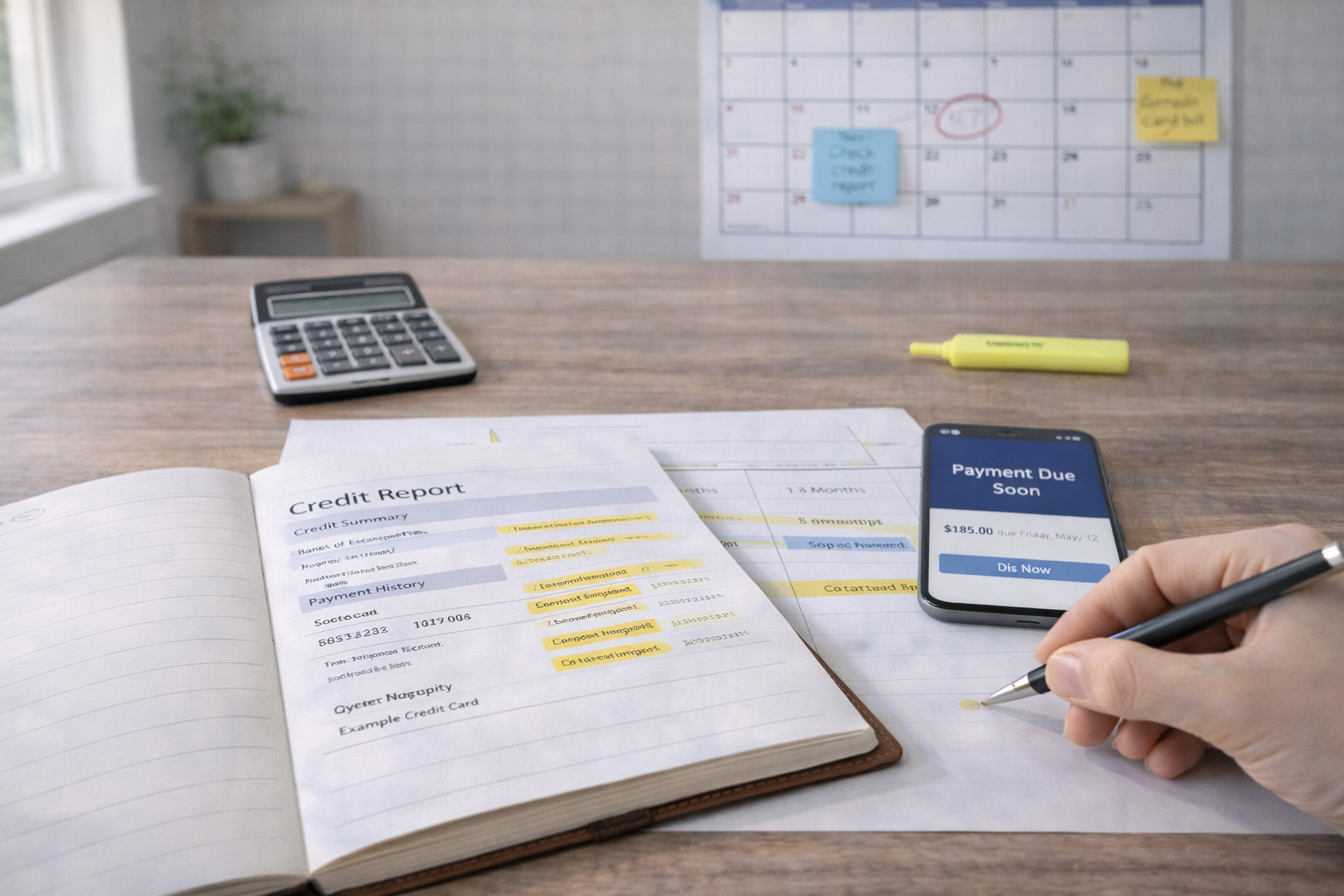
Maintaining a healthy credit score is a process that benefits from regular, focused reviews and simple monthly actions. Small, consistent habits make it easier to prevent problems, correct mistakes, and build steady momentum over time. This article presents practical steps you can take each month to monitor accounts, manage credit usage, and address issues before they escalate. A short, repeatable routine reduces surprises and supports long-term improvement.
Set a Monthly Monitoring Routine
Choose a consistent day each month to review your credit reports, account statements, and recent account activity so nothing is overlooked. Check payment due dates, new inquiries, balances, and any unfamiliar accounts to ensure there are no errors or signs of fraud. Use secure tools or direct statements from creditors to verify that all reported items match your records and make a note of anything that looks unusual. Regular monitoring helps you spot discrepancies quickly and gives you time to take corrective steps before late payments or errors are reported.
- Pick a calendar date or weekly cadence that fits your schedule.
- Save copies or screenshots of key findings for reference.
- Flag items that require follow-up and set reminders.
Over time, a documented routine reduces reactive behavior and improves decision making. A simple checklist keeps the process efficient and repeatable even as your financial picture evolves.
Manage Balances and Credit Utilization
Month-to-month balances influence utilization ratios, which are an important factor in scoring models, so monitoring reported balances matters. Aim to reduce high balances ahead of statement closing dates and distribute spending across accounts to keep utilization percentages lower. Prioritize payments in a way that lowers the ratios most likely to be reported rather than focusing solely on minimum payments. Incremental reductions and mindful timing can produce measurable changes when practiced consistently.
Keeping utilization low across accounts protects against sudden dips in score and improves long-term credit health. Small, strategic payments each month compound into meaningful improvements over time.
Correct Errors and Reinforce Positive History
If you find inaccuracies on credit reports, initiate disputes promptly and follow up until the record is corrected, documenting communications as you go. At the same time, consistently making on-time payments and maintaining older accounts helps build a reliable payment history and extends credit age. Consider responsibly adding types of credit only when they align with your goals and you can manage them comfortably to diversify your profile. Thoughtful, patient actions that combine error resolution with disciplined behavior support sustainable score gains.
Resolving errors quickly and reinforcing timely payments compounds over months and years. Persistence and attention to detail are essential for durable improvement.
Use Alerts, Automation, and Planning
Set up alerts for payment due dates, balance thresholds, and large transactions to reduce the risk of missed payments or unexpected spikes in utilization. Automate recurring payments where feasible to ensure consistency, while still checking statements monthly to confirm amounts and timing. Plan for seasonal or irregular expenses by adjusting payment strategies in advance so reporting periods are not negatively affected. Combining alerts and automation with a simple monthly review minimizes manual effort and reduces the chance of costly mistakes.
Automation and proactive planning make credit management less time consuming and more reliable. These tools amplify the effectiveness of a monthly routine without adding complexity.
Conclusion
Adopting a brief monthly credit review routine helps you catch errors, manage utilization, and maintain a reliable payment history. Use checklists, alerts, and targeted payments to make measurable progress without significant time investment. Consistent, small actions build credit strength steadily and reduce surprises over time.