
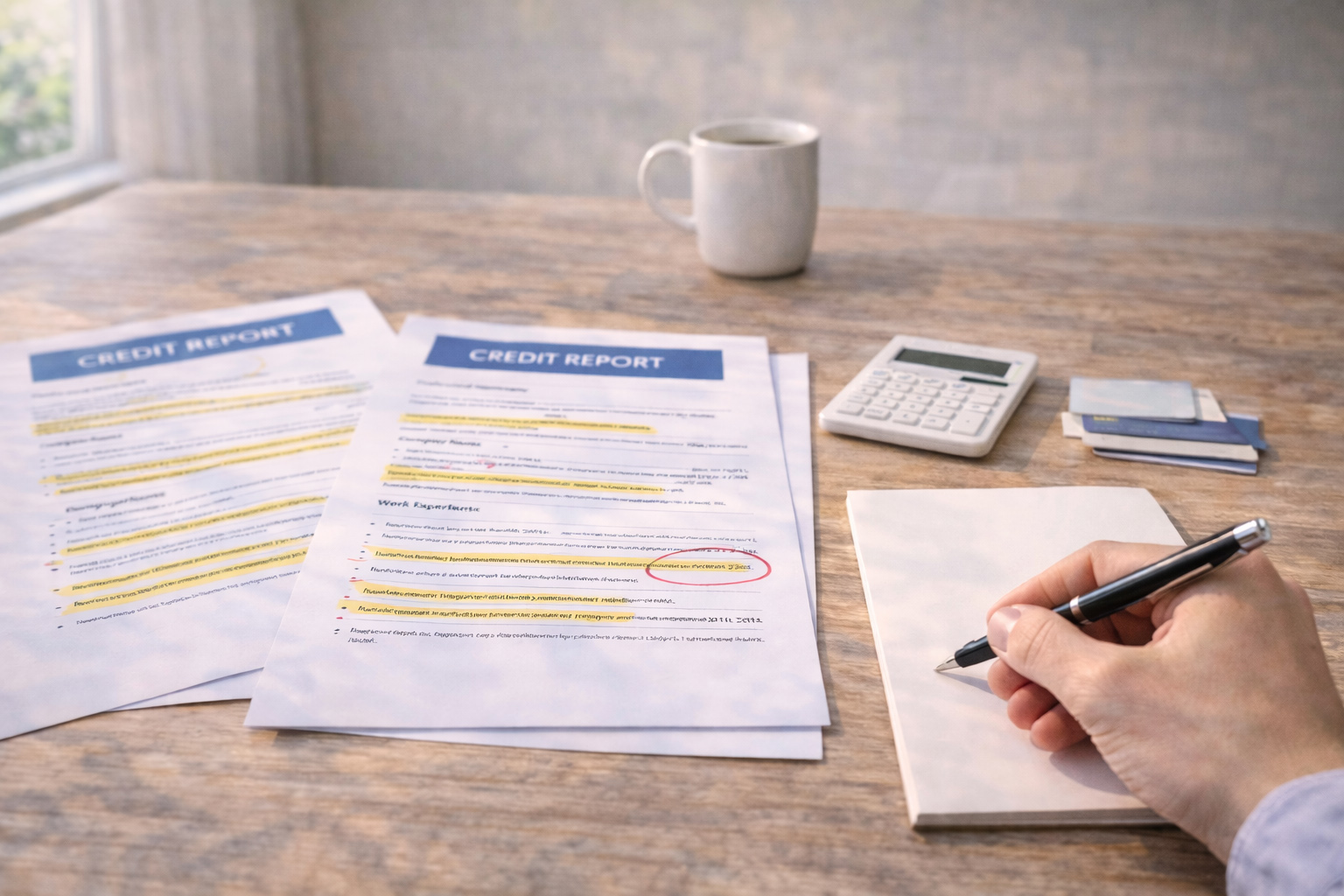
Rebuilding a credit profile can feel overwhelming, but focused steps make progress measurable and steady. Whether you faced missed payments, a high utilization rate, or an error on your report, understanding what to prioritize is key. This article outlines practical strategies you can apply immediately and maintain over time. Use these tactics to improve your score efficiently while avoiding common pitfalls. Small consistent actions often yield the largest improvements.
Understand the Components of Your Score
Start by learning the factors that influence a credit score: payment history, credit utilization, length of credit history, new credit, and credit mix. Pull your credit reports and review them for accuracy, noting any late payments or unfamiliar accounts. Many recoverable issues stem from disputes or overlooked billing mistakes that can be corrected. Identifying which components hurt your score most helps you focus your efforts.
With a clear diagnosis, set realistic short-term goals like reducing utilization or disputing errors. Tracking improvements each month keeps motivation high.
Targeted Actions for Faster Improvements
Some interventions produce quicker score gains than others. Paying down revolving balances to lower utilization and bringing any past-due accounts current are two of the most effective immediate steps. Opening new accounts generally has a smaller short-term benefit and can sometimes lower your average age of accounts. Prioritize repairs that improve the largest negative factors first.
- Bring past-due balances current and negotiate payment plans if needed.
- Reduce credit card balances to under 30% of limits, ideally below 10%.
- File disputes for inaccuracies and follow up until resolved.
- Use secured cards or credit-builder loans to establish positive activity.
Apply one or two of these targeted actions at a time rather than attempting everything at once. Small wins compound into measurable credit improvement.
Build Sustainable Habits for Long-Term Strength
Long-term credit health relies on habits: consistent on-time payments, controlled use of revolving credit, and cautious use of new credit. Automating payments and creating a monthly budget reduce the risk of accidental late payments. Periodically reassess your credit mix and avoid closing old accounts without thinking through the impact on average account age. Patience matters: many corrections and growth require months to reflect in scores.
Stick to steady practices and revisit your credit strategy annually or after major life changes. Over time, a disciplined approach reshapes your credit profile positively.
Conclusion
Rebuilding credit combines quick fixes, accurate reporting, and long-term habits. Start with a clear review, prioritize high-impact actions, and maintain disciplined financial routines. Consistency and monitoring will deliver gradual, sustainable score improvements.