
Introduction
Improving a credit score is rarely instantaneous; consistent daily and monthly choices add up. Focusing on a few routine financial moves reduces risk and gradually produces measurable gains. This article outlines practical habits that work together to improve payment history, utilization, and account health. Adoptable steps here aim to be realistic for busy people managing everyday finances.
Make On-Time Payments the Cornerstone
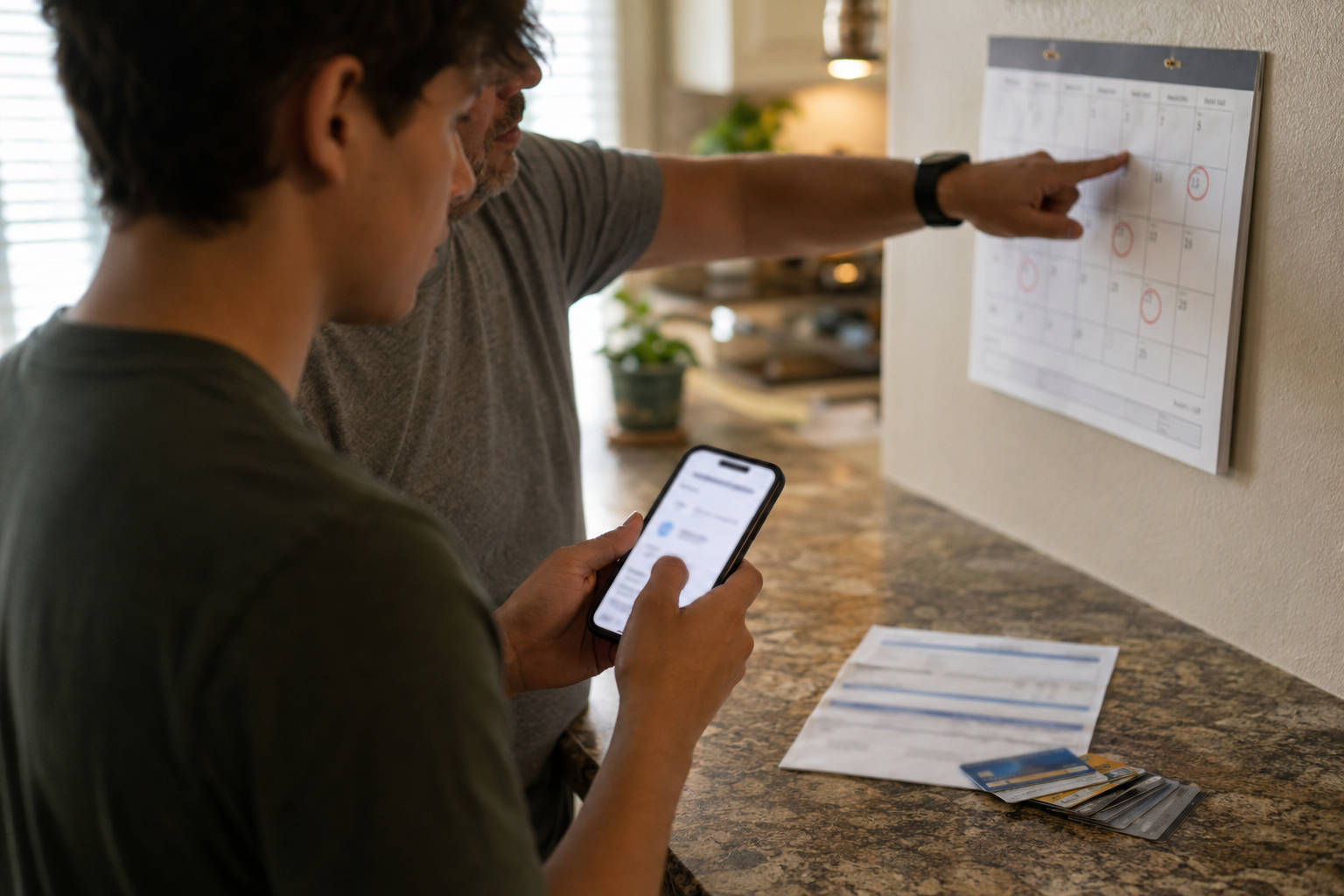
On-time payments are the single most influential factor in most scoring models. Prioritize automated payments or calendar reminders to avoid late marks that can linger for years. If full balances are difficult, always make at least the minimum by the due date and then work a repayment plan to reduce balances. Over time, consistent punctuality rebuilds lender confidence and the score follows.
Start by setting autopay for fixed monthly bills and date reminders for variable accounts. Small prevention steps avert large setbacks.
Keep Utilization Low and Smartly Rotate Balances
Credit utilization—the ratio of balances to limits—has an outsized effect on short-term fluctuations. Aim to keep single-card utilization below about 30% and overall utilization lower for better results; lower is often better. If balances spike, consider transferring small amounts to different cards or paying mid-cycle to reduce reported balances. Opening new credit only when necessary and increasing limits responsibly are secondary tools to manage utilization.
- Keep per-card utilization under 30%.
- Pay mid-cycle to lower reported balances.
Regularly reviewing how balances report each statement cycle helps you plan payments. These small scheduling changes can lift a score without big lifestyle shifts.
Monitor Reports, Dispute Errors, and Build Credit Mix
Regularly reviewing your credit reports catches errors that can unfairly damage your score. Dispute inaccuracies promptly and follow up; corrections can yield quick improvements. Diversifying with a mix of installment and revolving accounts can help long-term scores, but only when managed responsibly. Use secured cards or small installment loans to rebuild or add positive history if needed.
- Check reports monthly and set alerts for new accounts or hard inquiries.
- Keep documentation of disputes and follow-ups until resolved.
Set a monthly or quarterly review routine and use alerts for new accounts or inquiries. Proactive monitoring turns potential surprises into manageable tasks.
Conclusion
Improving a credit score is cumulative: consistent payment habits, smart utilization management, and active monitoring work together. Begin with one habit, maintain it, and add others as you stabilize your finances. Over months, these routine moves create measurable, lasting, sustained improvement.