
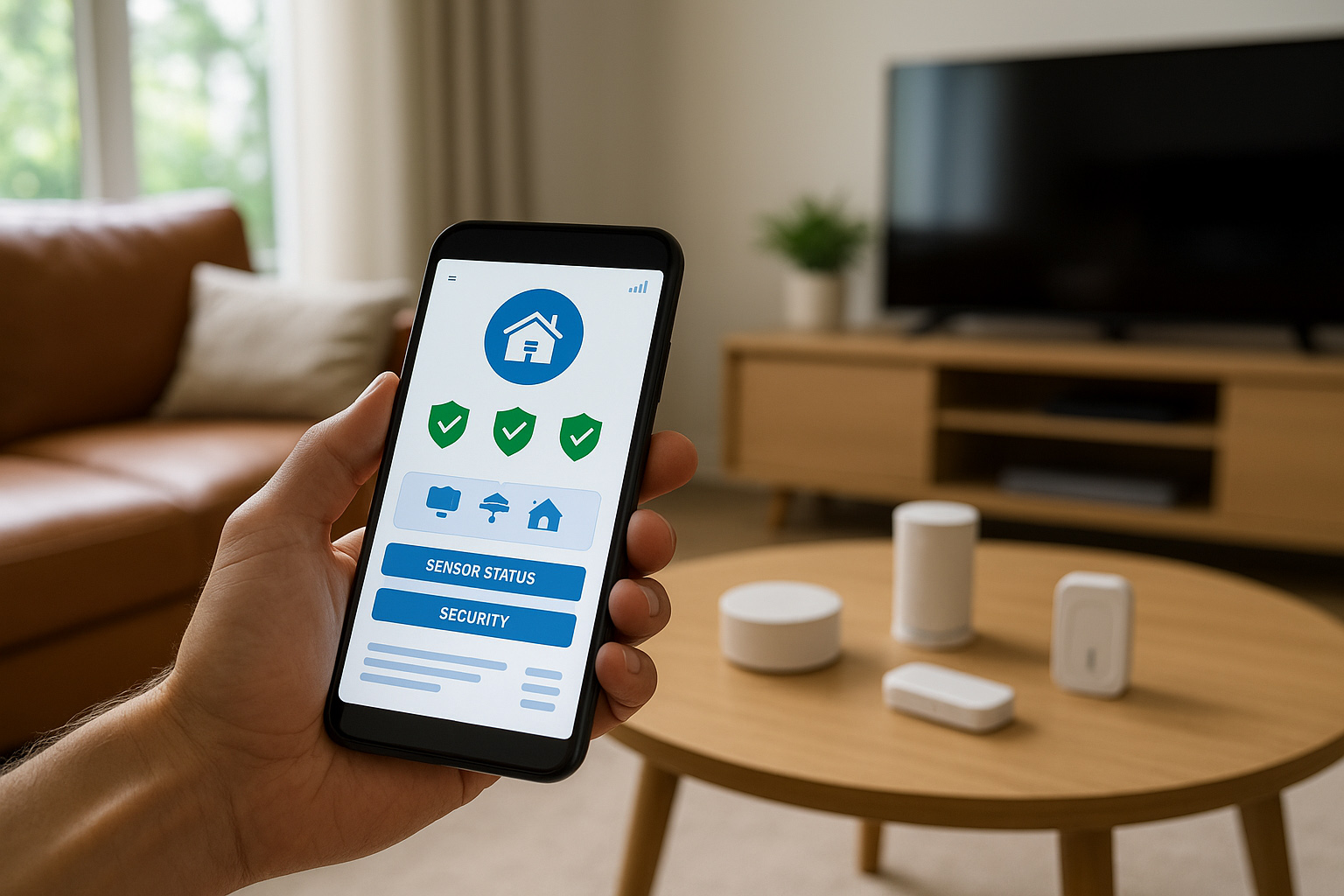
Smart homes are changing more than convenience—they’re transforming how insurance works. With connected sensors installed throughout a house, insurers can now detect risks early, prevent damage, and support homeowners before a claim ever occurs. This shift toward proactive protection makes home insurance smarter, faster, and more personalized.
The Power of Real-Time Monitoring
Modern homes equipped with smart sensors can track water leaks, smoke levels, temperature fluctuations, door activity, and even structural vibrations. These devices alert homeowners immediately when something seems wrong, turning potential disasters into manageable issues. Instead of discovering a leak after hours of damage, smart sensors notify occupants instantly so action can be taken before a claim is needed.
Insurance That Adapts to Behavior
Sensor-based home insurance uses live data to assess a home’s environment and detect risk patterns. If a home consistently shows safe conditions—such as secure entry points, stable temperatures, or proper maintenance, insurers may reward owners with lower premiums. This creates an insurance model based on prevention and real-time awareness rather than reactive payouts.
Preventing Damage Before It Happens
The real value of sensor-based coverage lies in prevention. Water sensors can shut off valves during leaks, smoke sensors can trigger alerts faster than traditional alarms, and smart thermostats can prevent pipe freezing by adjusting temperatures automatically. These proactive systems reduce the severity of incidents and help homeowners avoid costly repairs.
Building Trust Through Transparency
Smart device data offers clarity for both homeowners and insurers. In the event of an incident, digital logs provide accurate timelines and insights, making claim processing smoother and more transparent. For insurers, this leads to better risk assessment. For customers, it means faster resolution and safer living.
Conclusion
Sensor-based home insurance blends technology with protection, creating a future where homes defend themselves before damage occurs. By using real-time data and proactive systems, this approach reduces risk, lowers costs, and offers peace of mind. As smart devices continue to evolve, homeowners can expect a safer, more responsive insurance experience built around prevention instead of reaction.