
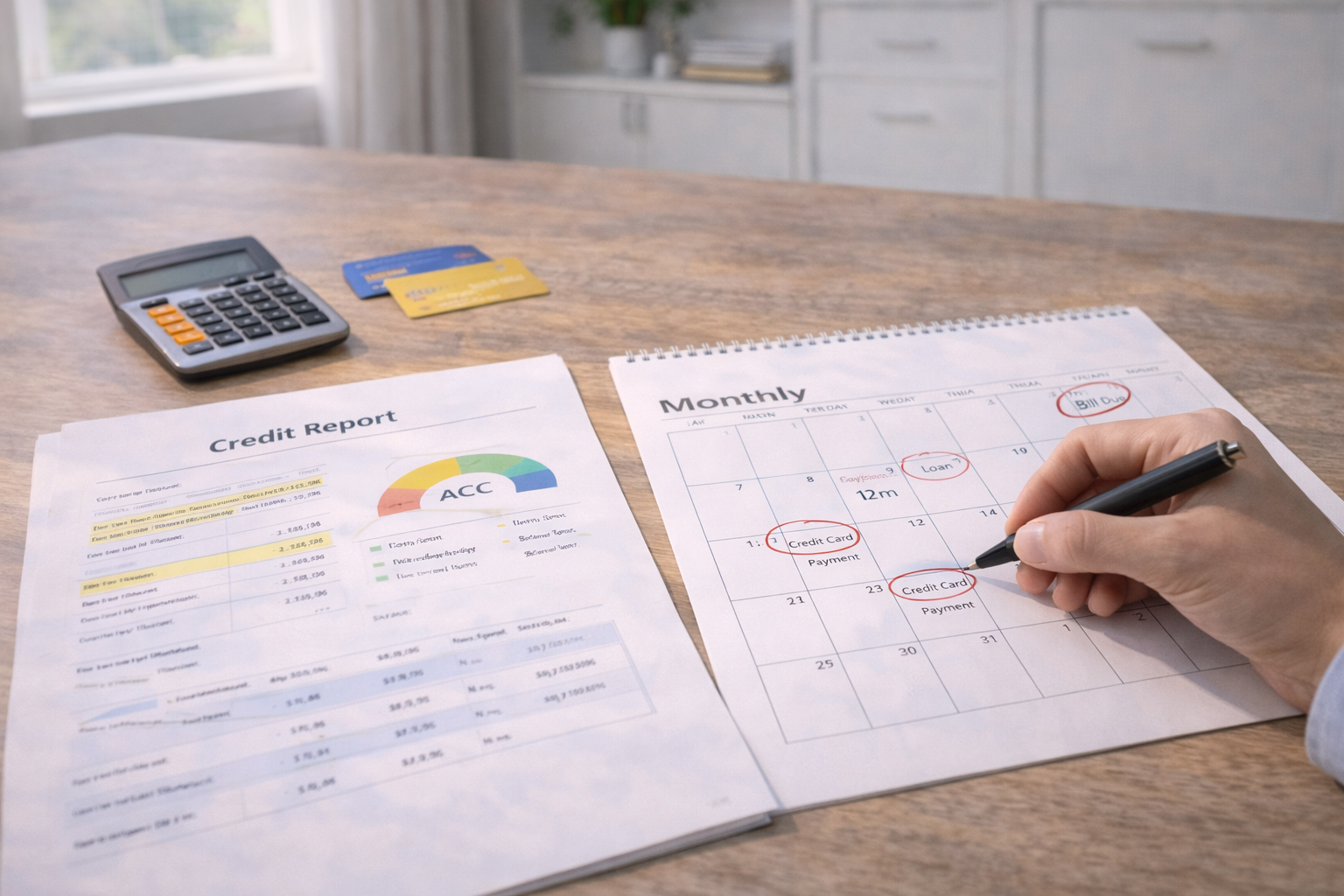
Improving a credit score rarely happens overnight; it is the product of steady choices and informed habits. This article outlines practical steps you can adopt to make measurable progress over months and years. Emphasizing consistency, monitoring, and simple behavioral changes will help most readers see gradual improvement. These techniques are broadly applicable and designed for sustainable results.
Understand what moves your score
A clear grasp of the main credit score factors helps you prioritize actions that have the most impact. Payment history, credit utilization, account age, credit mix, and recent inquiries typically drive most scoring models. By knowing which areas are weaker in your profile, you can focus effort where it will matter most. This targeted approach reduces wasted effort and speeds meaningful gains.
Begin by pulling a current credit report and identifying low-performing categories. Small adjustments in priority areas often yield outsized results over time.
Prioritize consistent on-time payments
Payment history is usually the single largest influence on your score, so making payments on time must be a top habit. Automating minimum or full payments, setting calendar reminders, and aligning due dates with pay periods can prevent accidental late payments. Even one missed payment can remain visible for years and derail progress, so consistency matters more than perfect timing. Focus first on ensuring every account shows timely payments for several consecutive months.
- Set up autopay for at least the minimum amount.
- Use reminders or a budgeting app to track due dates.
- Address any disputes or billing issues promptly to avoid missed payments.
Once on-time payments are routine, your profile will gradually reflect lower risk and improved reliability. Over time, this creates a foundation for other improvements.
Keep utilization low and accounts healthy
Credit utilization—the ratio of balances to credit limits—works quickly to influence scores when adjusted. Aim to keep utilization below commonly recommended thresholds, and consider spreading balances across cards if one is maxed out. Avoid closing old accounts just to simplify cards, as account age and available credit both support higher scores. Periodically request higher limits if your issuer permits, which can lower utilization without changing spending.
Small reductions in balances can lead to visible score changes within a billing cycle or two. Maintaining low utilization while keeping accounts active is a stable long-term tactic.
Monitor reports and correct errors promptly
Regularly reviewing credit reports helps catch inaccuracies, identity issues, or unrecognized inquiries that could suppress your score. If you find an error, follow the reporting agency and creditor dispute process to get it corrected; timely disputes can remove negative items that are wrong. In addition to disputes, monitoring alerts for new accounts helps detect fraud early. Staying proactive reduces surprises and protects progress you’ve made.
Use secure monitoring tools or annual report checks to stay informed. Quick action on discrepancies preserves your hard-won gains.
Conclusion
Consistent on-time payments and low utilization are the most reliable levers to raise a score. Monitor reports, correct errors, and prioritize changes where they matter most. With steady habits, measurable improvement becomes inevitable.