
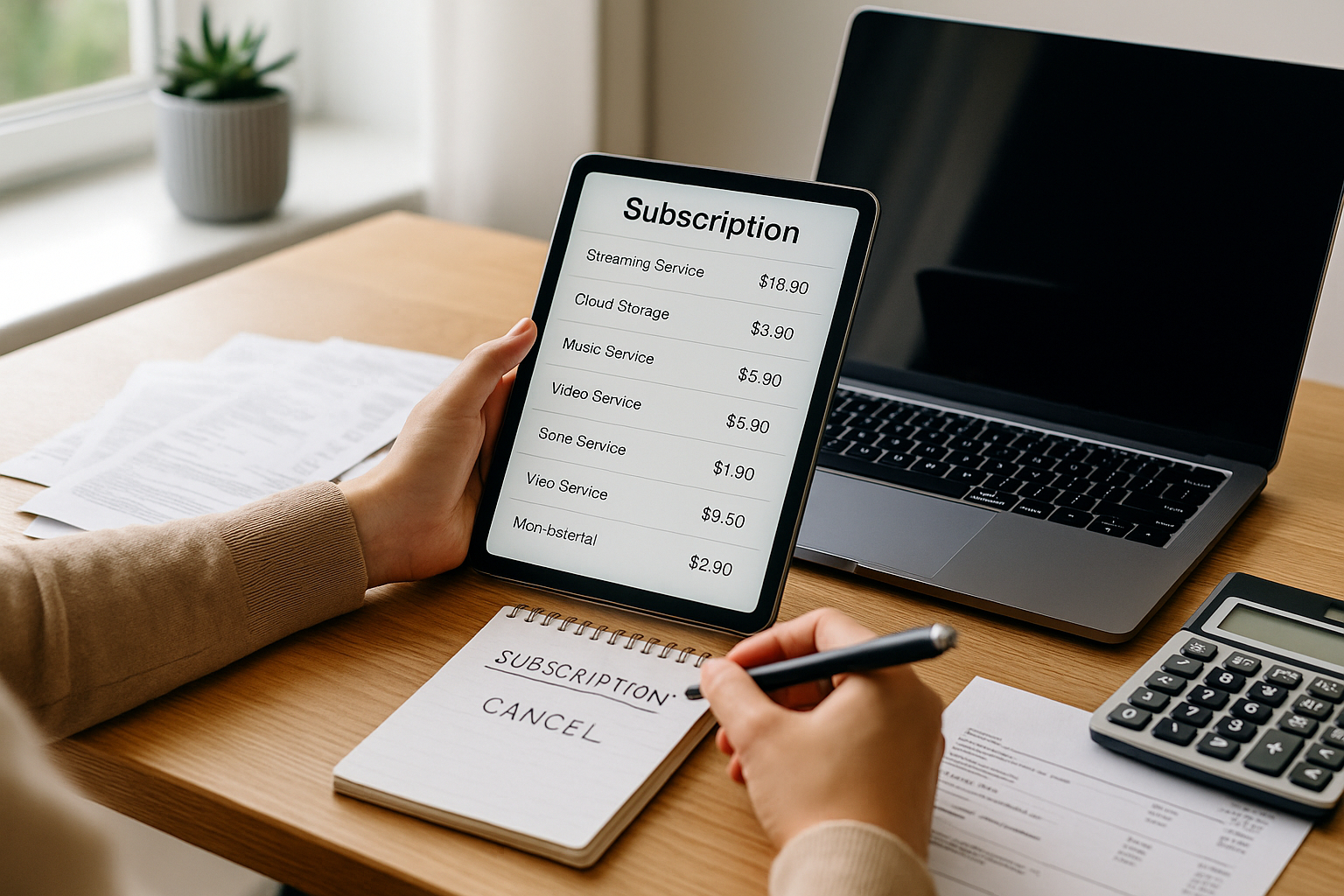
From streaming platforms to cloud storage, fitness apps to online courses — subscriptions have become a seamless part of our daily lives. But what begins as a few small monthly charges can quietly grow into a financial drain. “Subscription overload” is a modern spending trap, where convenience turns into clutter and recurring payments eat away at savings. The good news? With awareness and a little organization, you can regain control of your recurring expenses.
Understanding Subscription Creep
Subscription creep happens gradually. You sign up for a service during a free trial or discount period, forget to cancel, and before long, you’re paying for multiple platforms you rarely use. With automatic renewals and small monthly fees, it’s easy to underestimate how much is leaving your account each month. Studies show that many consumers underestimate their subscription spending by 30–40%.
The first step in regaining control is awareness — identifying what you’re actually paying for.
Track and Audit Your Subscriptions
Start by reviewing your bank and credit card statements for recurring charges. List every subscription — from streaming services to productivity tools — and note the cost, billing cycle, and purpose. Next, categorize them into essential (like cloud backups or necessary software) and non-essential (entertainment or niche memberships).
You can also use personal finance apps or budgeting tools that automatically track recurring payments and notify you before renewals. This helps prevent forgotten charges and offers an at-a-glance view of where your money is going.
Cancel, Consolidate, or Share
Once you’ve listed your subscriptions, it’s time to take action. Cancel services you no longer use or that duplicate others. Many people find they have multiple streaming platforms but only use one or two regularly. If possible, consolidate plans — some providers offer bundled services or family sharing options that reduce costs.
For essential tools or apps, consider switching to annual billing for discounts. But only do this for services you’re confident you’ll continue using long-term.
Build a Monthly Review Habit
Managing subscriptions isn’t a one-time task. Set a monthly reminder to review your recurring expenses. Use this as an opportunity to reassess your usage, update billing details, and ensure no hidden charges slip through. Staying proactive helps maintain financial control and prevents slow budget erosion.
Conclusion
Subscription overload doesn’t have to drain your wallet. By tracking, trimming, and reviewing your recurring expenses regularly, you can strike a balance between convenience and cost-efficiency — keeping only what truly adds value to your life.