
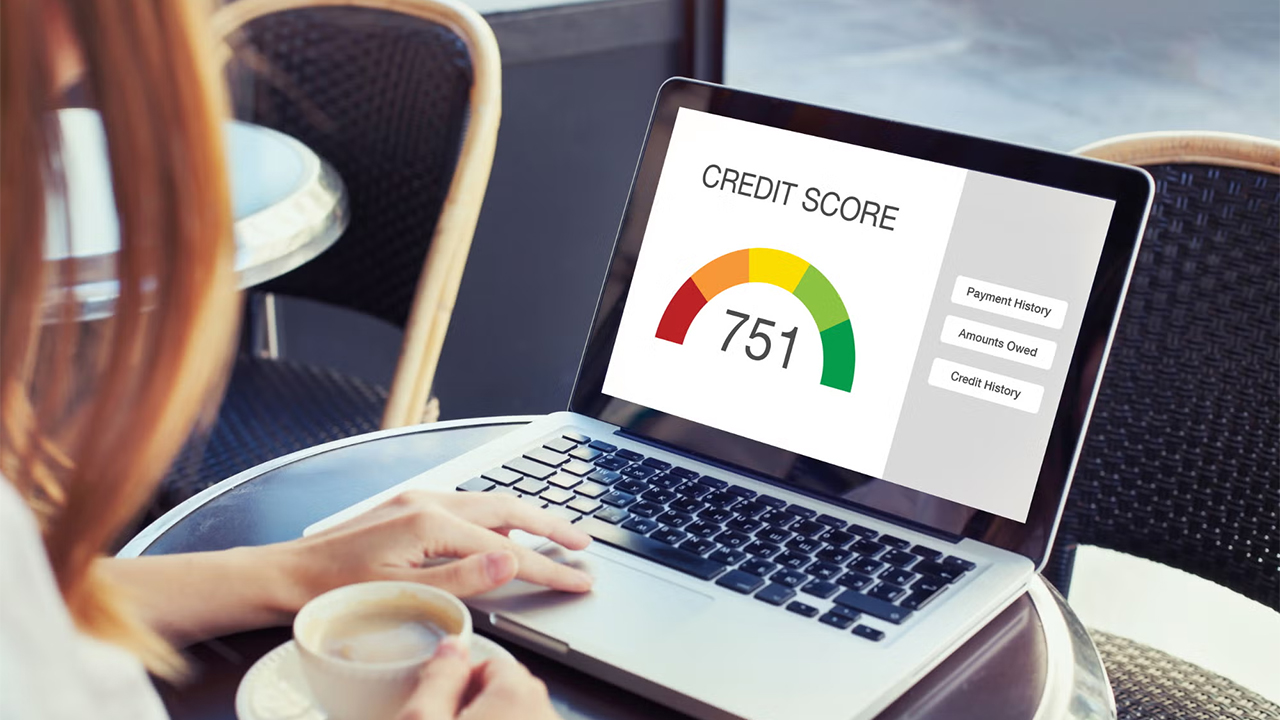
Many people avoid shopping for loans because they fear hurting their credit score. But credit scoring systems are smarter than that. The Invisible Inquiry Effect refers to how credit models recognize rate-shopping behavior and protect your score when you compare similar loans within a specific time window. Understanding this effect allows you to shop confidently for the best rates without unnecessary credit damage.
In short, smart comparison shopping is expected behavior — and the system is designed to accommodate it.
What Is the Effect of Invisible Inquiry?
When you apply for credit, lenders typically perform a hard inquiry, which can slightly lower your score. However, credit models know that consumers often shop around before committing crime. To avoid penalizing responsible behavior, they group similar inquiries made within a rate-shopping window and count them as a single inquiry for scoring purposes.
This applies mainly to auto loans, mortgages, and student loans — not credit cards.
How Rate-Shopping Windows Work
Depending on the scoring model, rate-shopping windows typically range from 14 to 45 days. During this period, multiple inquiries for the same type of loan are treated as one for scoring calculations, even though they may still appear individually on your credit report.
The key is that the inquiries must be:
- For the same loan type
- Made within the allowed time window
- Clearly related to rate comparison
When these conditions are met, your score is largely shielded from additional impact.
Why This Matters for Borrowers
Without understanding the Invisible Inquiry Effect, many people accept the first loan offer they receive — often at a higher rate. Knowing that your score is protected empowers you to negotiate, compare lenders, and secure better terms. Over the life of a loan, even a small rate difference can save thousands of dollars.
Common Mistakes to Avoid
The biggest mistake is spreading rates for shopping over too long a period. If inquiries fall outside the window, they may be counted separately. Another error is mixing loan types — for example, applying for a credit card while shopping for an auto loan — which won’t be grouped and can increase score impact.
Conclusion
The Invisible Inquiry Effect exists to protect informed consumers. By rating shopping within the proper window and focusing on one loan type at a time, you can compare offers freely without fear. Understanding this rule turns credit shopping from a risk into a strategic advantage.