
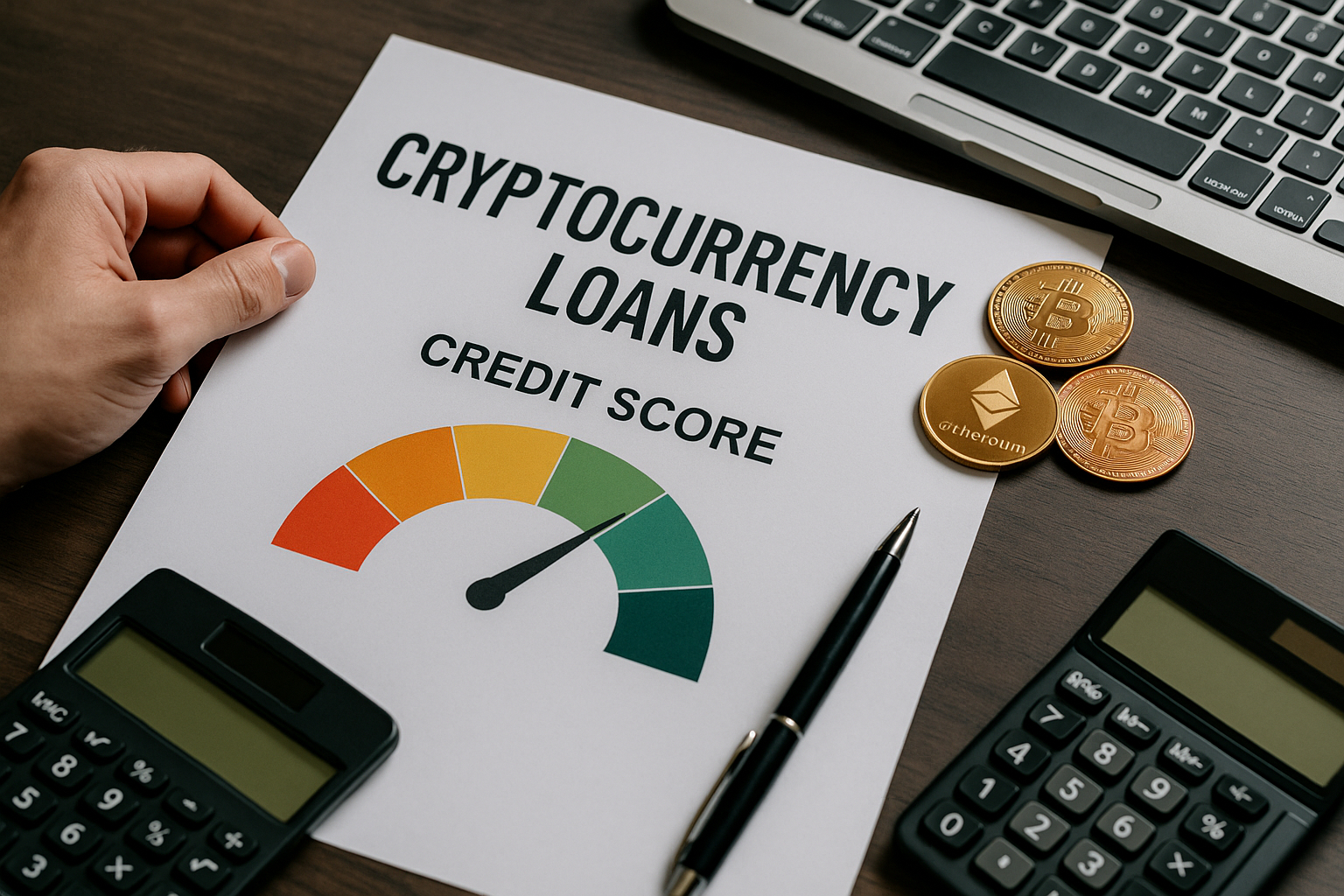
As cryptocurrency lending continues to expand, borrowers are discovering that traditional financial principles still play a major role in this new digital ecosystem. While crypto loans offer faster approval, flexible collateral options, and decentralized access, lenders still need reliable ways to assess risk. Credit scores have become a key component in bridging traditional finance with blockchain-based lending, ensuring that both borrowers and platforms can operate with greater trust and security. Understanding how creditworthiness influences crypto lending helps consumers make smarter borrowing decisions in an increasingly digital world.
Why Credit Scores Still Matter in Crypto Lending
Even though cryptocurrency platforms often emphasize decentralized access, many lenders still incorporate credit scores to evaluate a borrower’s reliability. A strong score signals responsible financial behavior, reducing the risk of default. For lenders, it becomes an added layer of assurance beyond crypto collateral. For borrowers, a healthy credit profile can lead to lower interest rates, better loan terms, and increased borrowing power—similar to traditional loans but with faster processing and fewer barriers.
Balancing Credit Scores With Crypto Collateral
One of the unique features of crypto loans is their collateral structure. Borrowers typically secure loans with digital assets such as Bitcoin or Ethereum. While this collateral reduces risk for lenders, drastic price volatility can still create uncertainty. Credit scores help balance this risk by offering insights into a borrower’s financial discipline beyond their crypto holdings. A strong credit profile can be especially important during market downturns, when collateral values fluctuate rapidly.
How Credit Scores Influence Interest Rates
Just like traditional lenders, crypto loan providers often adjust interest rates based on borrower creditworthiness. Borrowers with higher credit scores may qualify for significantly lower rates and more flexible repayment options. This hybrid assessment model combines blockchain efficiency with traditional financial safeguards, helping borrowers secure affordable loans while giving lenders confidence in their decision-making.
Expanding Access for Borrowers With Limited Credit History
Crypto lending platforms have opened the door for individuals who may not fit neatly into traditional financial systems, including those with thin or limited credit files. While some lenders require strong credit scores, others weigh blockchain-based data—such as wallet history, asset stability, or repayment behavior on decentralized finance platforms. This blended approach is redefining what creditworthiness can look like in the digital age, giving more people access to borrowing opportunities.
The Future of Credit Assessment in Crypto Finance
As blockchain technology evolves, new methods of evaluating borrower reliability are emerging. Some platforms are exploring decentralized credit scoring models that use on-chain activity rather than traditional reports. Others are blending artificial intelligence with financial analytics to create more dynamic risk profiles. While credit scores still hold significant influence, the future of crypto lending may bring more inclusive and adaptive forms of credit evaluation.
Conclusion
Credit scores remain an important factor in cryptocurrency loans, offering stability and trust in a fast-moving digital market. By combining traditional credit assessments with blockchain-based innovation, lenders can provide fair, secure, and efficient borrowing options. For borrowers, maintaining a strong credit profile—and understanding how it applies in the crypto world—opens the door to better rates and greater financial flexibility.