
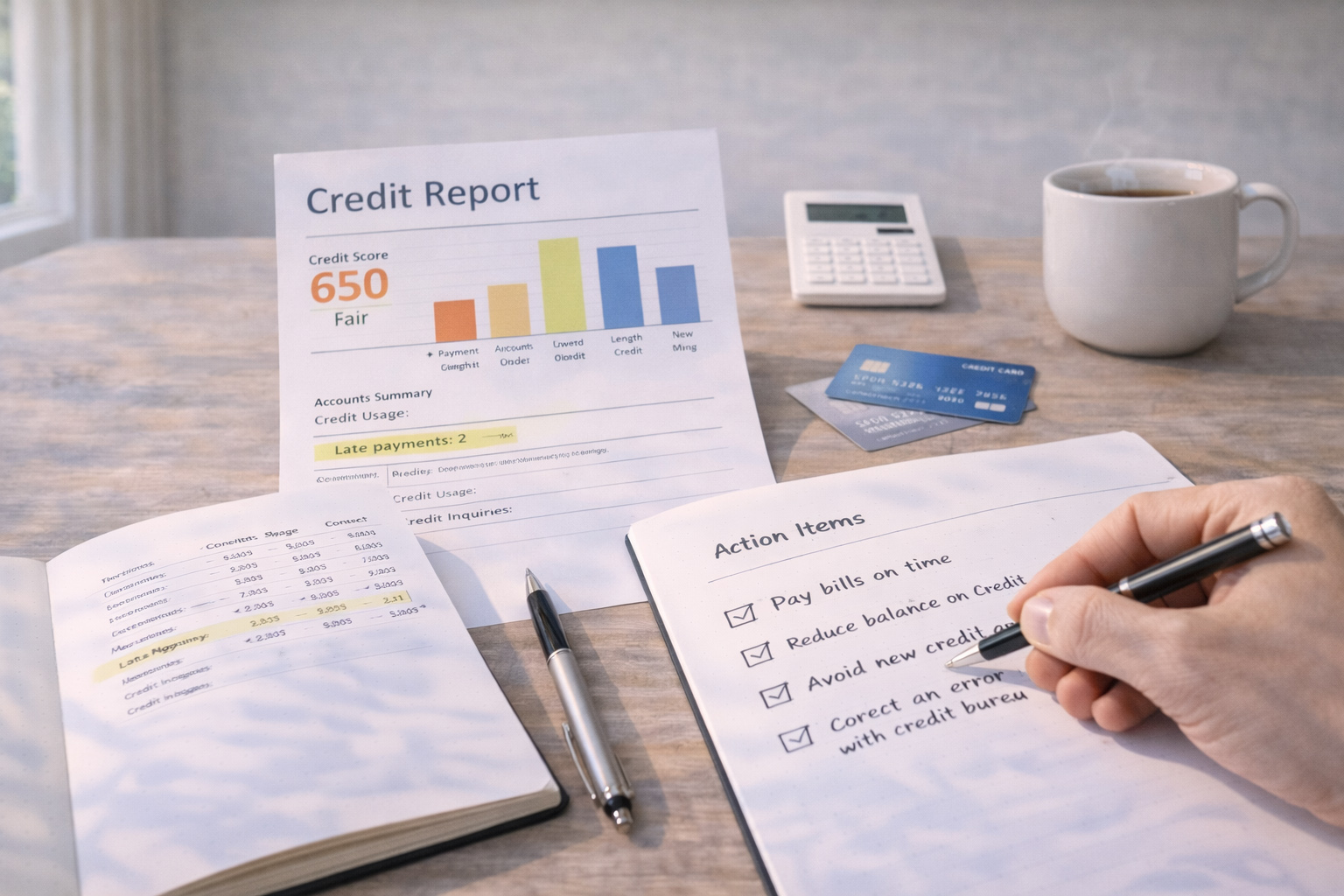
Your credit score is a concise reflection of financial behavior and can shape access to loans, interest rates, and opportunities. Paying attention to the signals it sends helps you make targeted changes rather than guessing which actions matter. This article explains the main score components, everyday behaviors that move the needle, and sensible monitoring strategies. The goal is to give clear, actionable guidance you can apply to improve and protect your credit profile.
Reading the rest of this piece will help you prioritize simple habits that compound over time. Start with small, consistent steps and measure progress regularly.
Understanding Credit Score Components
Scores are calculated using a few consistent factors: payment history, amounts owed, length of credit history, new credit inquiries, and credit mix. Payment history typically carries the most weight, so timely payments are essential. Credit utilization — the percentage of available credit you use — is another immediate lever you can adjust. Understanding how these parts interact helps you focus efforts where they’ll matter most.
- Payment history: make payments on time and in full when possible.
- Utilization: aim to keep balances well below total credit limits.
- Length and mix: maintain older accounts and a balanced set of credit types.
Focusing on these components guides practical decisions and avoids wasted effort on low-impact changes. Prioritize actions that influence the largest factors first.
Practical Behaviors That Influence Scores
Consistent, small behaviors often produce steady improvements in your score. Make on-time payments the default by automating bills or setting calendar reminders, and keep revolving balances low relative to limits. Avoid opening many new accounts in a short period, which can trigger multiple inquiries and shorten average account age. When managing debt, target high-interest balances first while maintaining on-time payments across all accounts.
- Automate recurring payments to prevent missed due dates.
- Pay down card balances strategically rather than closing accounts.
- Space out new credit applications and only apply when necessary.
Adopting these habits reduces volatility in your score and builds a stronger credit profile over time. Small, repeatable routines are more powerful than sporadic large moves.
Monitoring and Recovery Tools
Regular monitoring lets you catch errors, identity theft, or trends that need correction before they become major problems. Use reputable services to track score changes and review credit reports at least annually, disputing inaccuracies promptly. If your score needs rebuilding after a setback, focus on steady payments, reducing utilization, and avoiding unnecessary new credit. Professional counseling or educational resources can provide structure if you face complex debt challenges.
- Check your credit report from available sources annually.
- Set alerts for large balance changes or new inquiries.
- Consider a credit-builder loan or secured card for supervised rebuilding.
Monitoring gives you control and early warning of problems, while recovery is a process of disciplined rebuilding. Combine awareness with consistent behavior for best results.
Conclusion
Clear, consistent actions yield the most reliable improvements in credit scores. Monitor regularly, prioritize timely payments, and manage utilization carefully. Small, sustained habits produce durable results.