
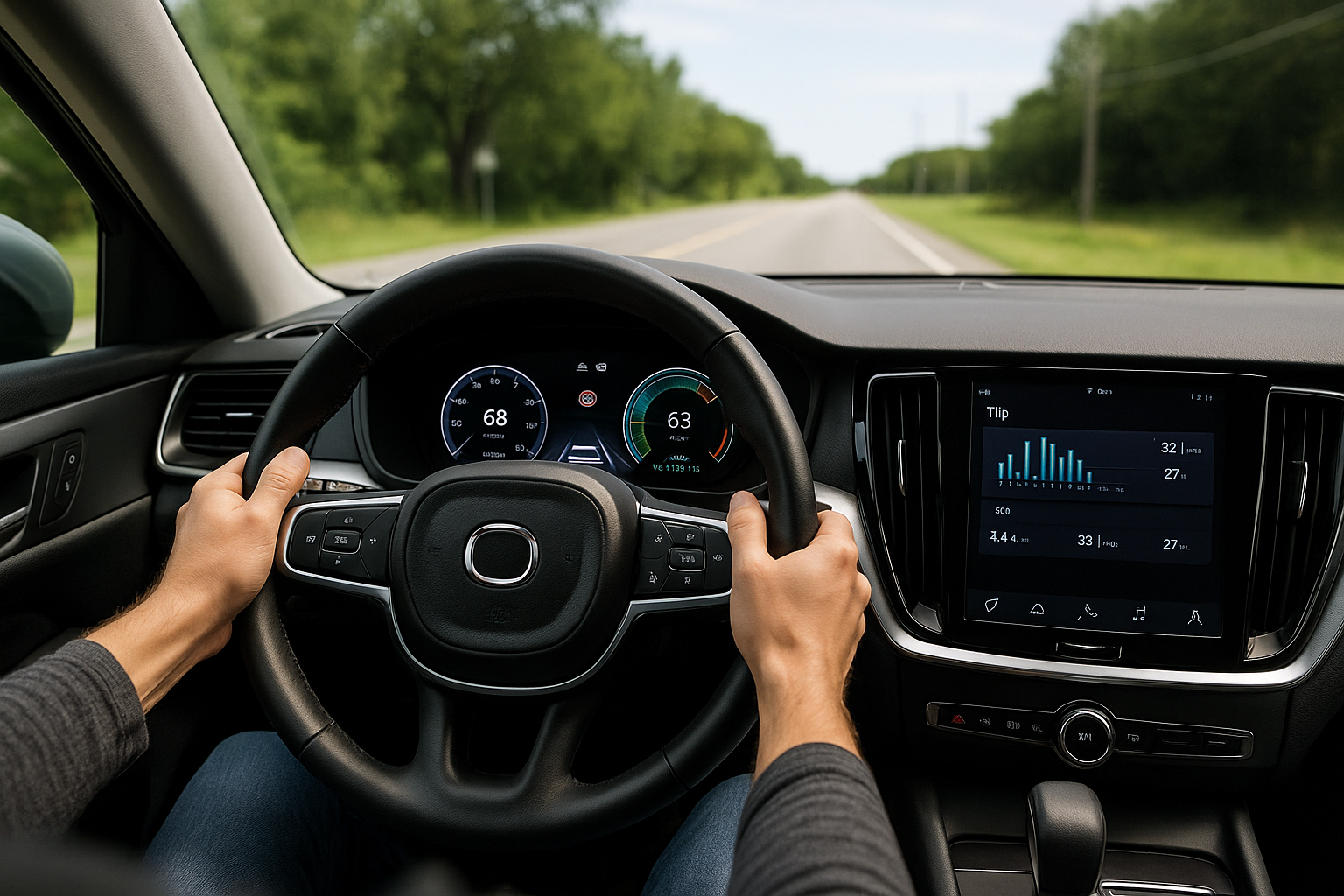
The auto insurance industry is experiencing a technological revolution, and telematics is at the center of it. By combining data analytics, GPS tracking, and smart sensors, telematics is transforming how insurers assess risk, price policies, and engage with drivers. Instead of relying solely on demographics and historical data, insurers can now evaluate real-time driving behavior — making risk management smarter, fairer, and more precise.
What Is Telematics?
Telematics refers to the use of wireless technology to monitor and transmit data from a vehicle. It captures metrics such as speed, braking patterns, acceleration, mileage, and even time of day when driving occurs. This data is collected through devices like plug-in sensors, smartphone apps, or built-in vehicle systems.
Insurers analyze this data to understand how safely or aggressively a person drives. Drivers who exhibit safer behaviors are rewarded with discounts, while those with riskier habits can receive coaching or alerts to improve performance.
How Telematics Is Changing Auto Insurance
Traditional insurance models classify drivers by broad factors like age, gender, and location. While useful, these criteria often overlook individual driving behavior. Telematics shifts the focus from who you are to how you drive.
This “usage-based insurance” (UBI) model personalizes premiums according to actual performance, not assumptions. For instance, a cautious driver who rarely speeds or drives at night may pay less than someone who racks up frequent hard-braking incidents — even if they share the same demographic profile.
Benefits for Drivers and Insurers
Telematics creates a win-win scenario for both insurers and policyholders:
-
For insurers: It provides accurate risk assessments, reduces fraudulent claims, and encourages safer driving habits.
-
For drivers: It offers fairer pricing, real-time feedback, and potential savings for responsible behavior.
-
For society: It promotes safer roads and reduces accident rates through data-driven awareness.
In fleet management, telematics also helps companies track vehicles, optimize routes, and monitor driver performance — improving efficiency and reducing operational risks.
Addressing Privacy and Data Concerns
As with any data-driven system, privacy and consent are critical. Telematics programs must comply with U.S. regulations and prioritize data transparency and security. Drivers should know what information is being collected, how it’s used, and how long it’s stored. Insurers are increasingly adopting anonymization and encryption methods to protect customer data.
The Future of Auto Risk Management
Telematics is laying the foundation for the future of mobility — one where connected cars, AI, and predictive analytics work together to reduce accidents and streamline insurance processes. As autonomous and electric vehicles become mainstream, telematics will continue to play a vital role in understanding behavior, managing risks, and improving safety.
Conclusion
Telematics is redefining auto risk management by shifting from reactive claims handling to proactive prevention. By combining technology with responsible data practices, insurers can create fairer, safer, and more transparent insurance systems — driving the future of smarter mobility.