
Introduction
Small, regular efforts are often the most reliable way to improve a credit profile. Spending a little time each week reviewing accounts, checking balances, and planning payments reduces surprises and keeps utilization low. This article outlines actionable weekly practices that fit into a busy schedule and help build steady momentum. These habits focus on prevention and small corrections rather than dramatic fixes, which tend to be unsustainable. With consistent monitoring you can respond quickly to issues and gradually build stronger credit health.
Why a Weekly Approach Works
A weekly cadence makes credit tasks manageable and keeps information fresh. When you review your accounts each week you catch errors early and reduce the chance of late payments that harm scores. Weekly checks also make it easier to manage credit utilization by moving balances or adjusting spending ahead of statement dates. If a problem appears, reaching out early to lenders or using small targeted payments can prevent escalation.
Sticking to a short checklist transforms sporadic effort into reliable habits. Over time, these small actions compound into measurable score improvements. The weekly habit also reduces stress by keeping surprises to a minimum.
Practical Weekly Actions to Adopt
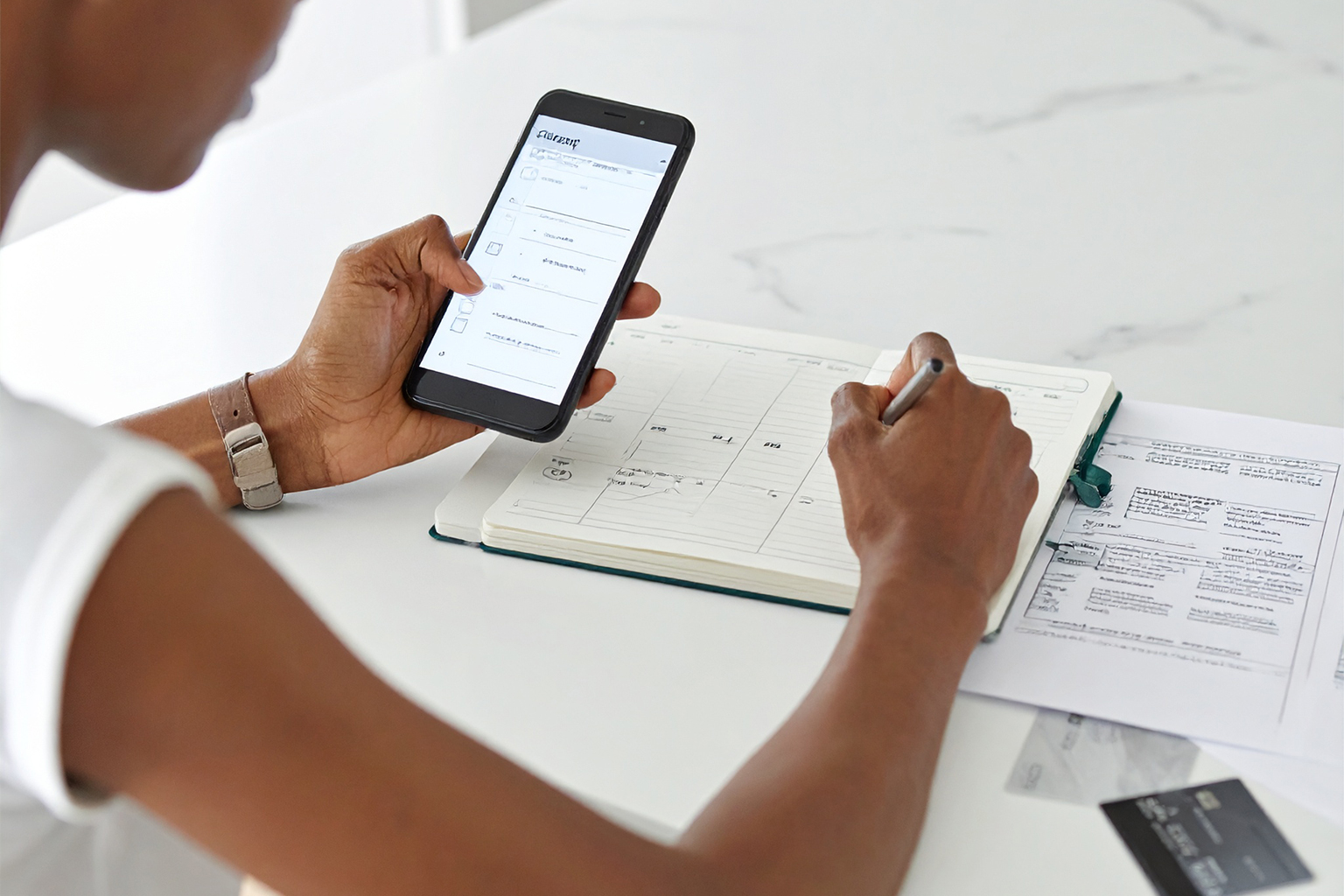
Start with a quick calendar review to confirm upcoming due dates and adjust payments as needed. Verify recent transactions for unfamiliar charges and prepare dispute notes if anything looks incorrect. Monitor your credit utilization ratio by comparing balances to limits and consider small transfers or targeted payments to keep utilization low. Finally, confirm that automatic payments and alerts are active so you avoid missed payments. Also watch for unfamiliar credit inquiries and review free credit reports if something seems off.
These actions take 15–30 minutes but prevent larger problems. Make the checklist a repeating event on your calendar. Treat this time as part of your financial maintenance to keep tasks from piling up.
Measuring Progress and Making Adjustments
Track a few reliable indicators: overall score trends, utilization percentage, and the presence of derogatory items. Record these metrics weekly to spot patterns and set modest, time-bound targets such as lowering utilization by 5% over a month. If you see unexpected dips investigate promptly—errors, identity issues, or changes in accounts can be addressed more effectively when detected early. Documenting progress also helps sustain motivation during periods when changes feel slow. Use a simple spreadsheet or budgeting app to log results and visualize trends over weeks.
Adjust your weekly actions based on results; for example, increase payment frequency during months with higher spending. Regular reviews keep your approach aligned with financial goals. If progress stalls, consider targeted strategies like paying down high-interest balances first or adding a small secured line of credit.
Conclusion
Consistent weekly practices create a buffer against common credit problems and help gradual improvement. They are small, repeatable, and adaptable to changing circumstances. Commit to a simple routine and measure progress to make meaningful, lasting gains.