
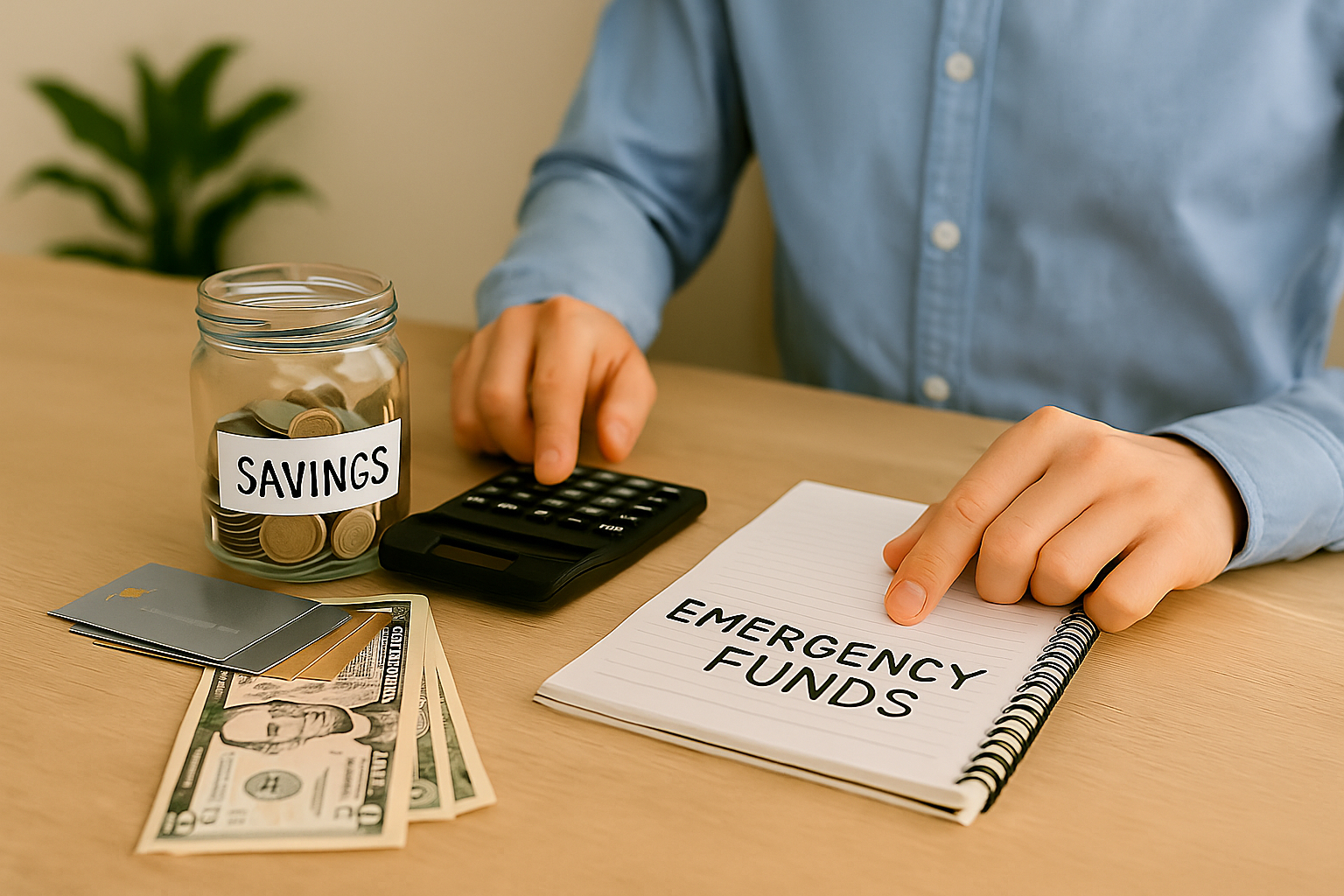
Life is full of unexpected events—medical bills, car repairs, or sudden job loss can strike at any moment. Without a financial safety net, these surprises can quickly turn into crises. That’s where an emergency fund comes in. An emergency fund gives you peace of mind, financial stability, and the ability to handle life’s curveballs without going into debt. Let’s explore why it’s essential and how to build one step by step.
1. What Is an Emergency Fund?
An emergency fund is money set aside specifically for unplanned expenses or financial emergencies. It acts as a financial cushion, preventing you from relying on credit cards or loans when faced with sudden costs. Unlike regular savings, this fund is meant for true emergencies—like medical emergencies, home repairs, or temporary unemployment.
2. Why an Emergency Fund Is Essential
Without an emergency fund, even a small financial setback can disrupt your budget. It provides:
-
Security: Reduces stress by ensuring you can handle unexpected costs.
-
Independence: Keeps you from borrowing money or paying high-interest credit card debt.
-
Stability: Allows you to focus on long-term financial goals, even during tough times.
Simply put, an emergency fund turns financial surprises into manageable inconveniences rather than full-blown crises.
3. How Much Should You Save?
Experts recommend saving three to six months’ worth of living expenses. This includes essentials like rent, groceries, utilities, and transportation. If you’re self-employed or have irregular income, aim for six to twelve months’ worth. Start small if needed—saving even one month’s expenses can make a big difference.
4. How to Build Your Fund
-
Start Small: Begin with a goal of $500 and build from there.
-
Set Up Automatic Transfers: Schedule a small amount from each paycheck to go directly into your emergency fund.
-
Cut Unnecessary Expenses: Redirect money from non-essentials like subscriptions or takeout into your fund.
-
Use Windfalls Wisely: Allocate bonuses, tax refunds, or gifts toward your savings goal.
Consistency matters more than speed—what counts is developing the habit of saving regularly.
5. Where to Keep Your Emergency Fund
Store your emergency savings in an easily accessible account, like a high-yield savings or money market account. Avoid investing it in stocks or assets that fluctuate in value—you need quick access when emergencies strike.
Conclusion
An emergency fund is your financial safety net—a simple yet powerful tool for peace of mind. By starting small, saving consistently, and protecting your fund from unnecessary spending, you’ll be better prepared for life’s surprises. Remember, financial security doesn’t come from luck—it comes from preparation.