
Introduction
When cash is tight, choosing what to pay and when reduces stress and lowers immediate risk.
Short-term cash management relies on clear priorities, small adjustments, and fast decisions.
This article outlines a compact, practical framework to protect essentials while you rebuild a buffer.
Follow steps that prioritize essentials first and keep options open for recovery.
Assess Your Immediate Cash Position
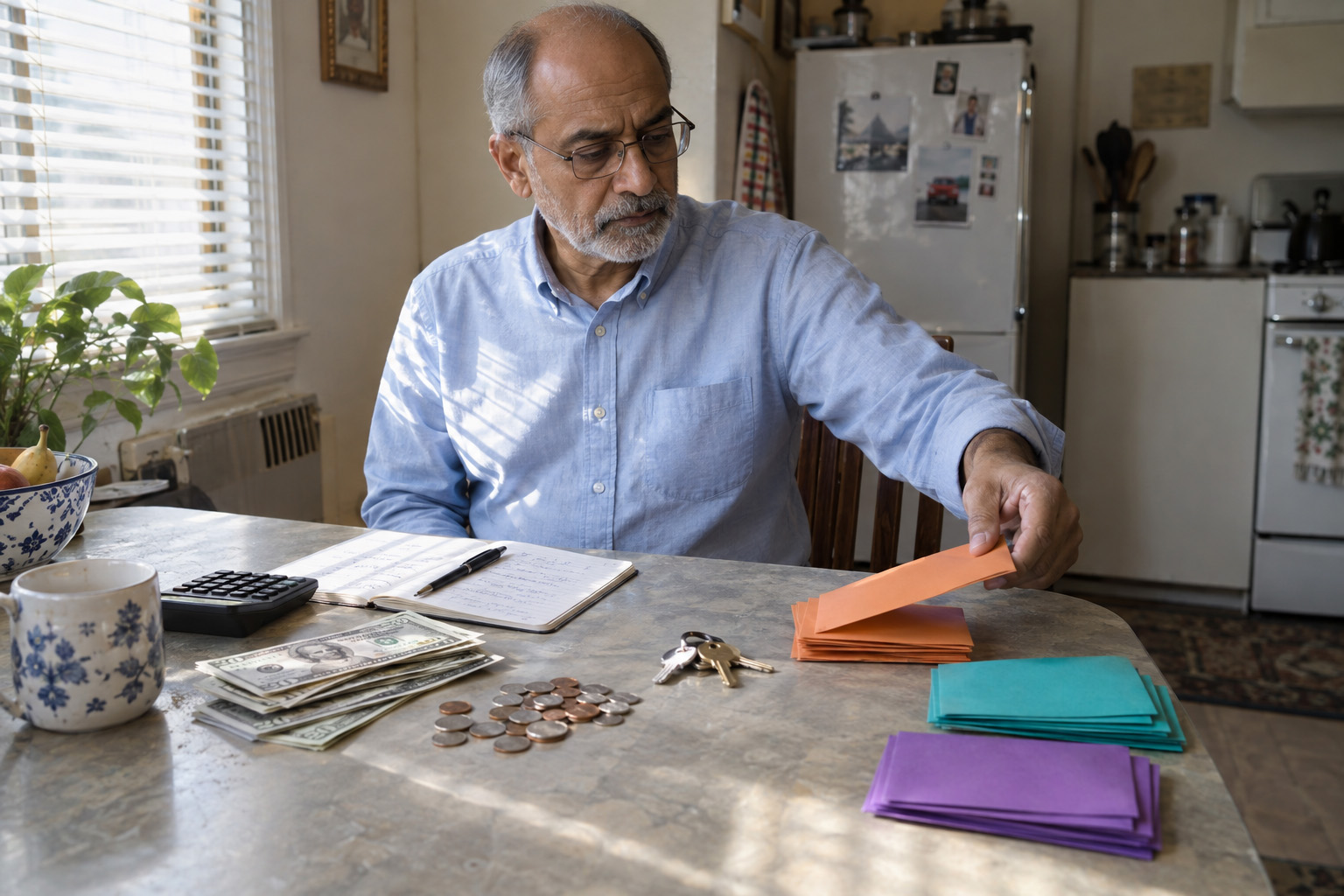
Begin with a quick, accurate map of the money you have now, expected income, and upcoming obligations for the next 30 to 60 days. Include checking and savings balances, any pending deposits, and the exact due dates and amounts for bills. Note which obligations trigger late fees, service interruptions, or severe credit consequences when missed. A clear inventory of deadlines and penalties helps you choose what to cover first and which debts can safely wait. This triage turns uncertainty into a short list of actionable steps.
Keep this snapshot simple and update it as new information arrives. Use the list to guide every payment decision for the period.
Set Payment Priorities by Risk and Timing
Order spending by immediate risk: shelter, utilities, essential insurance, and transportation or tools needed for work should be the top priorities. Next, protect accounts with steep penalties, repossession risk, or compound interest that will make recovery harder. Low-risk items like subscriptions, entertainment, or nonessential upgrades can be paused or cancelled temporarily. Proactively contact lenders and service providers to request due date adjustments or hardship options when needed. Setting priorities in advance reduces stress and prevents impulsive choices that worsen cash flow.
Use straightforward rules to decide each payment and avoid second-guessing. A prioritized list keeps actions aligned with outcome-focused goals.
Trim, Stretch, and Use Short-Term Supports
Look for quick, responsible reductions: delay discretionary spending, choose lower-cost grocery options, and postpone nonurgent repairs. Stretch available cash by rescheduling variable payments and combining errands to save gas or time that could affect income. Where appropriate, leverage short-term supports like negotiated payment plans, community resources, or small interest-free arrangements with trusted contacts. Avoid high-cost borrowing that creates deeper problems; prefer temporary accommodations with existing providers. Small adjustments across multiple categories can meaningfully extend your runway.
Document each change so you can restore services when cash stabilizes. Treat these steps as temporary bridges rather than new permanent habits.
Rebuild a Small, Sustainable Cushion
After addressing immediate risks, commit to a realistic buffer target you can reach in stages and protect it first when income returns. Automate modest transfers, redirect one-off credits and refunds, and funnel small savings from trimmed categories into the cushion. Keep a recurring expense checklist to spot seasonal or irregular costs and adjust your plan accordingly. Gradual, consistent contributions reduce the chance of future crises more than sporadic large deposits. Habits that build predictability are your best defense against repeated shortfalls.
Focus on steady consistency rather than speed when rebuilding savings. Over time, a modest cushion yields outsized peace of mind and flexibility.
Conclusion
A short-term priority framework helps stabilize cash quickly and reduce risk.
Triage, prioritized payments, and temporary trims buy the time you need to recover.
Consistent small steps and modest automated savings build a durable safety net.