
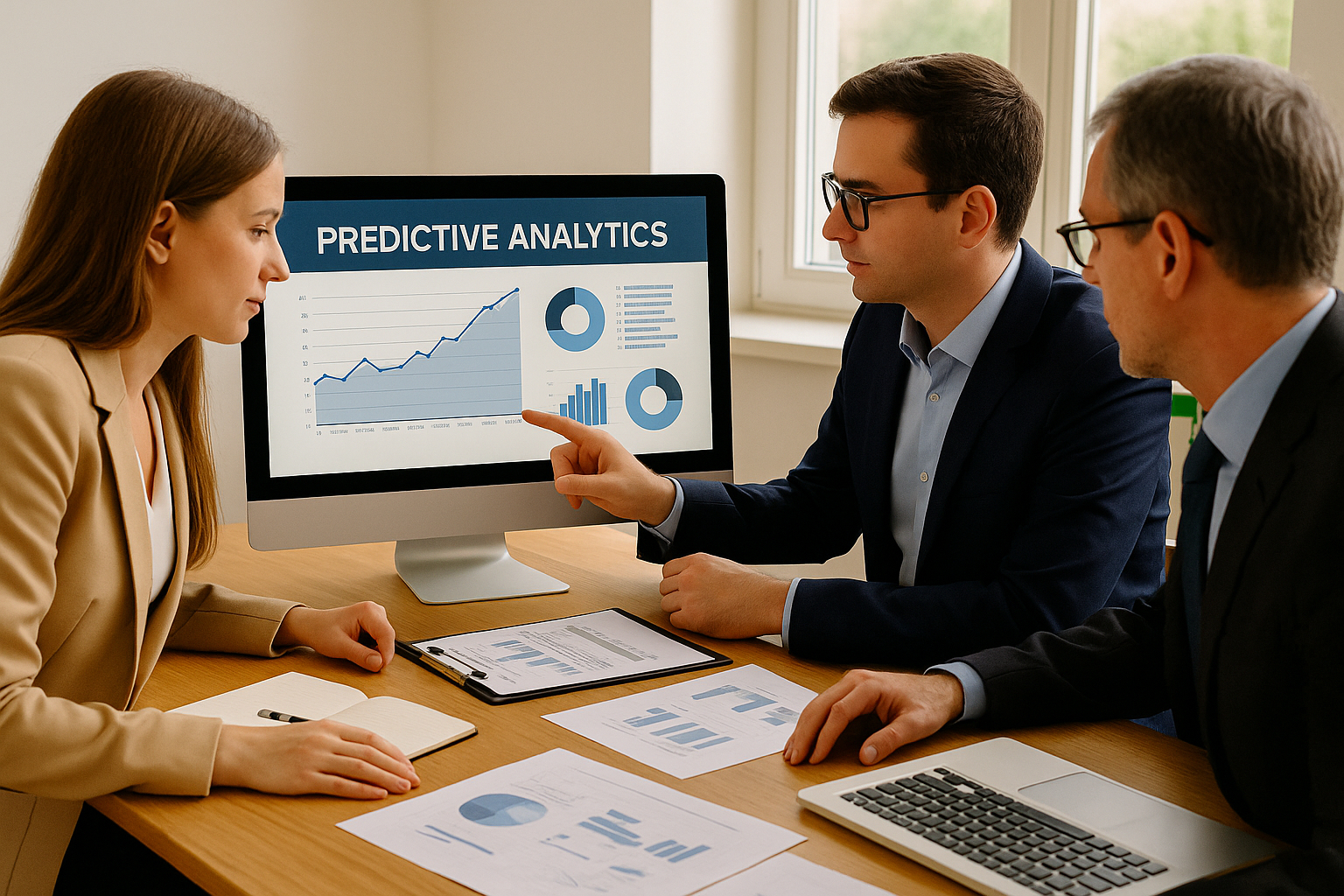
Insurance underwriting is undergoing a major transformation, driven by the power of predictive analytics. Once dependent on manual assessments and limited historical data, underwriting has evolved into a data-driven discipline where algorithms, automation, and machine learning work together to assess risk more accurately than ever before. This new age of underwriting is faster, smarter, and far more personalized—benefiting both insurers and policyholders alike.
From Traditional to Data-Driven Underwriting
Traditional underwriting relied heavily on broad demographic data and static forms. Agents would evaluate risk based on factors like age, occupation, and medical history. While effective, this method was often slow, prone to human bias, and limited in scope. Predictive analytics revolutionizes this by integrating vast amounts of data—from social and behavioral insights to real-time IoT and telematics inputs—allowing insurers to make more precise and fair assessments.
How Predictive Analytics Enhances Accuracy
At its core, predictive analytics uses statistical models and machine learning to forecast the likelihood of future events. In underwriting, this means evaluating how likely a policyholder is to file a claim or default on payments. By analyzing thousands of data points—such as lifestyle habits, driving behavior, or even wearable health data—insurers can identify patterns and predict risk outcomes with greater accuracy. This results in better pricing models, reduced fraud, and improved profitability for insurers.
Speed and Efficiency Through Automation
With predictive models, underwriting no longer takes days or weeks. Automated decision-making enables near-instant approvals for low-risk applications, freeing underwriters to focus on more complex cases. Digital platforms can pre-qualify applicants, verify data, and calculate premiums automatically—all while maintaining compliance and transparency. This speed not only enhances operational efficiency but also delivers a smoother, faster experience for customers.
Personalization and Fairness in Policies
Predictive analytics is also enabling a shift toward personalized underwriting. Instead of relying solely on broad categories, insurers can now tailor coverage and premiums based on individual behavior. For example, safe drivers, health-conscious individuals, or low-risk homeowners can benefit from customized rates that more accurately reflect their real-world risk. This fairness fosters trust and loyalty while encouraging positive behavioral changes.
Challenges and Ethical Considerations
While predictive analytics offers immense promise, it also raises important questions about privacy and data ethics. Insurers must ensure that the data used is accurate, unbiased, and compliant with regulatory standards. Transparency in how predictive models influence decisions is critical for maintaining consumer confidence. Balancing innovation with fairness will define the next chapter in insurance analytics.
Conclusion
Predictive analytics marks the dawn of a new era in underwriting—one defined by precision, efficiency, and personalization. By blending technology with human judgment, insurers can deliver smarter risk assessment, fairer pricing, and better protection for all. As predictive tools continue to evolve, the future of underwriting will be not only faster but also more human-centered and equitable than ever before.