
Introduction
When cash is tight, clarity matters more than complexity. Identify the upcoming payments and the dates that matter most. Decide which expenses keep your life stable and which can pause for a month or two. A simple, written plan reduces stress and guides practical choices.
Keep decisions temporary and measurable so you can restore normal habits quickly. This short-term focus preserves longer-term goals while you regain breathing room.
Assess Your Short-Term Priorities
Start by listing every known expense for the next 30 to 60 days and assign each as essential or deferrable. Essentials typically include housing, utilities, food, transportation for work, and any court-ordered or legally required payments. For each essential, note the minimum due and the exact due date so you can sequence payments. This inventory turns vague worry into a set of clear actions.
Once you have the list, calculate the minimum cash needed to cover essentials. That number becomes your immediate target and helps you decide where temporary cuts are possible.
Trim and Redirect Nonessential Spending
Identify subscriptions, discretionary purchases, and one-off splurges that can be paused or reduced. Small monthly items add up: streaming services, premium delivery, and casual dining are common candidates. Redirect money from those line items straight to your essential fund or a tiny buffer. The goal is to free the smallest amount that covers an essential gap.
- Pause or downgrade services before canceling to keep options open.
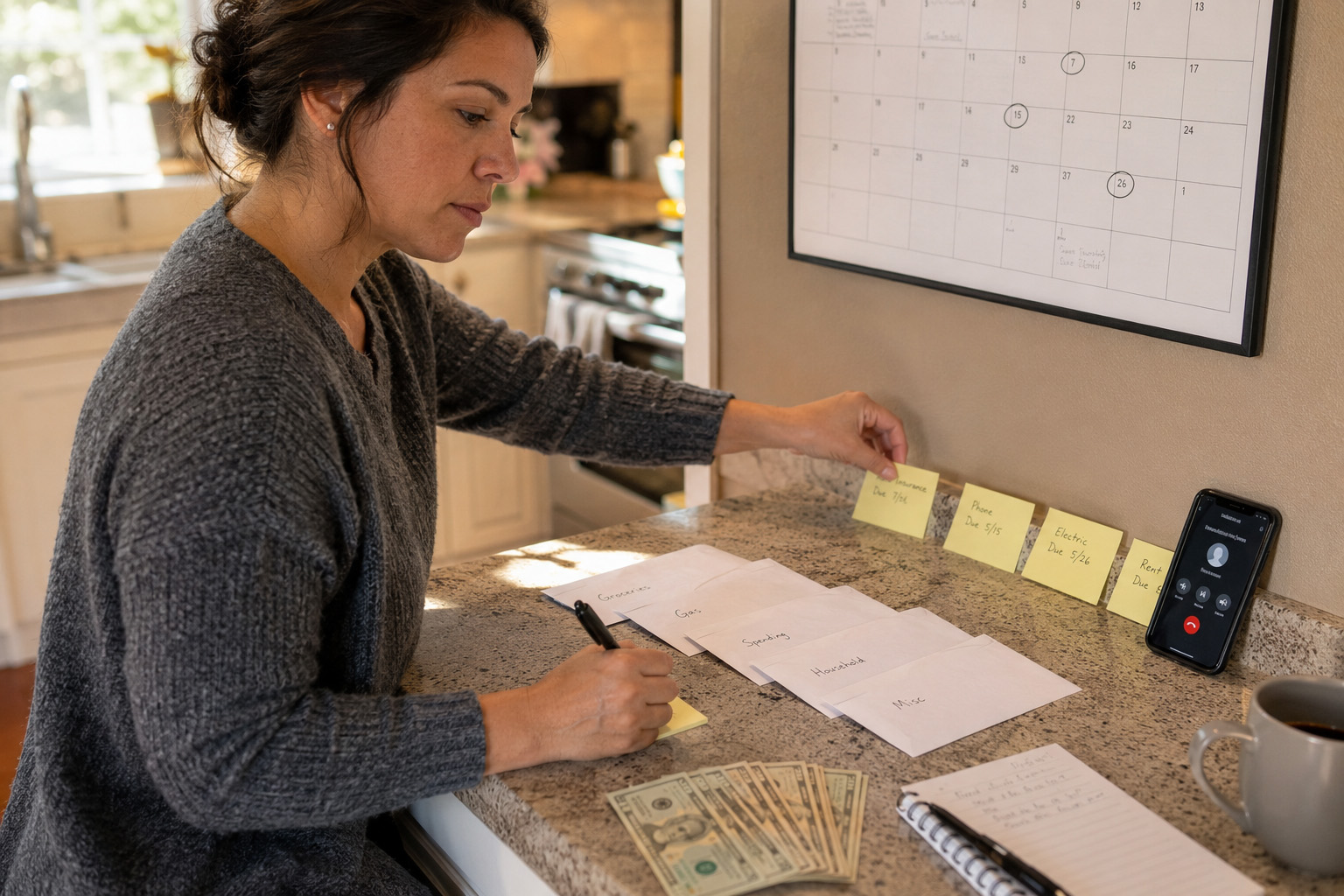
- Use cash envelopes or a dedicated debit card to control leftover spending.
These temporary changes should be framed as experiments. Set a review date to reassess and restore what matters most when cash improves.
Protect Essential Bills and Build a Small Buffer
Communicate proactively with lenders or service providers if a payment will be late; many offer short-term accommodation. Prioritize payments that would create cascading costs if missed, such as rent or utilities with termination risk. If possible, stagger payments around incoming paychecks to avoid simultaneous large outflows. Even a modest buffer of one or two weeks’ expenses reduces stress and prevents emergency decisions.
Consider quick, low-impact ways to increase cash: sell unused items, pick up a few hours of freelance work, or shift a planned purchase. These moves should complement spending cuts, not replace them.
Conclusion
Focus on essentials, free up small amounts, and communicate when you need flexibility. Revisit your short-term plan regularly and treat it as temporary. These steps stabilize your cash without sacrificing longer-term progress.