
Introduction
Money stability is less about dramatic moves and more about steady routines that stack over time. Tiny, repeatable actions—checking a balance, nudging savings, scheduling bills—add up into real breathing room. You don’t need a complicated plan to make progress; you need a few reliable habits and the discipline to keep them. This article lays out straightforward, low-friction steps that improve everyday financial resilience.
Weekly money check-ins
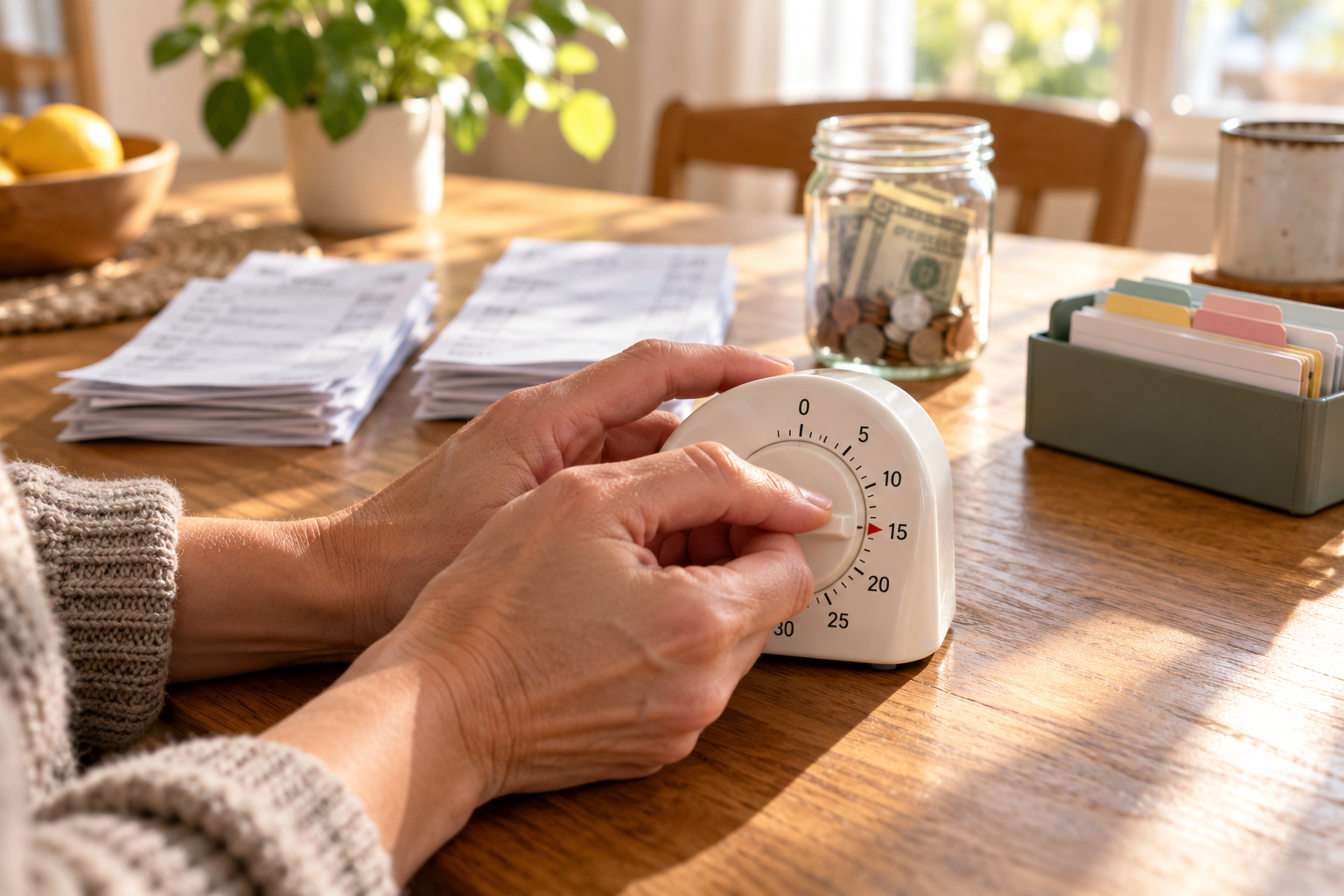
Set aside ten to twenty minutes each week for a focused money check-in. Review account balances, confirm any upcoming bills, and note one small action you can take before the next check-in. These short sessions keep surprises to a minimum and let you spot trends early, like creeping subscription costs or an unexpected fee. The habit turns financial maintenance into a bite-sized routine rather than an occasional scramble.
A weekly rhythm also strengthens decision-making: small, regular choices compound into meaningful outcomes. When you regularly touch your money, it’s easier to adjust before problems grow.
Automate the essentials
Automating core items—savings contributions, bill payments, and retirement deposits—removes friction and protects priorities. Start by directing one clear portion of each paycheck into a savings account and automating minimum bill payments to avoid late fees. Use automation conservatively; automate what you can reliably afford, then review amounts quarterly. This reduces mental load while keeping your plan moving forward even on busy months.
- Automate an emergency fund transfer each payday.
- Set autopay for utilities and recurring services with monitored thresholds.
Automation should feel like a safety net, not a set-and-forget risk. Check automated flows periodically to ensure they still match your goals.
Trim recurring leaks without drama
Small recurring costs—streaming services, app subscriptions, gym memberships—are easy to overlook but add up. Once a month, scan recent transactions for patterns you no longer use or value. Cancel or pause memberships you rarely use, and consider renegotiating or switching to lower-cost plans where possible. Doing this calmly and regularly prevents a slow bleed from your monthly budget.
Keep a short cancellation list and tackle one or two items each month so the task never feels overwhelming. Over time, reclaimed dollars can boost savings or fund a priority expense.
Build a small buffer and prioritize
A modest cash buffer reduces stress when the unexpected arrives. Aim first for a small, attainable target—enough to cover a week or two of essential expenses—then scale up gradually. Pair this buffer with a simple priority list: essentials, short-term savings, and one discretionary goal. Clear priorities help you allocate spare money where it does the most work.
When you know which expenses matter most, choices become easier and less emotional. Small wins build confidence and make larger goals feel achievable.
Conclusion
Consistent, small habits beat occasional heroic efforts when it comes to everyday finances. Weekly check-ins, automation of essentials, trimming recurring costs, and a modest buffer create durable momentum. Start with one habit today and build from there.