
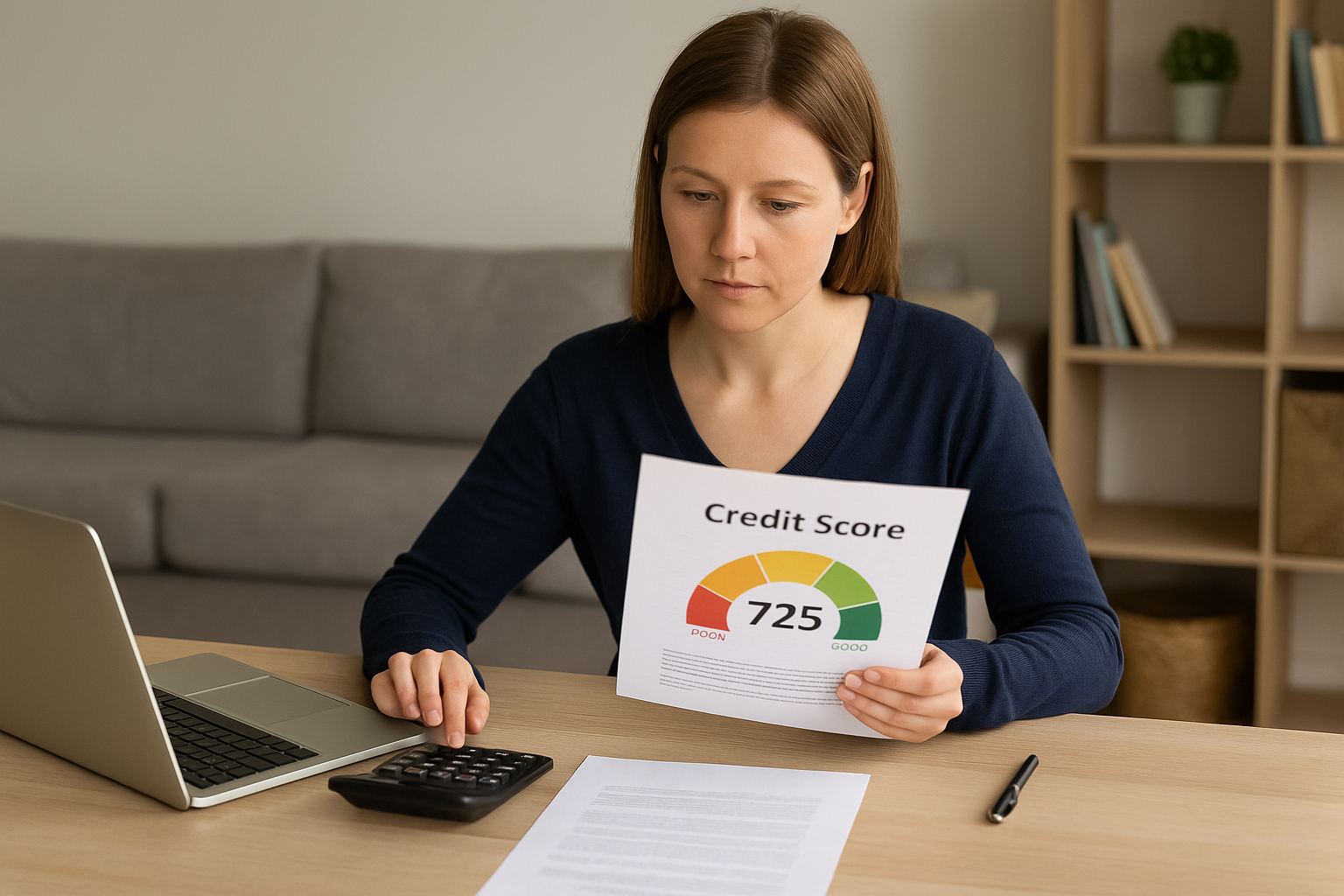
Your credit score is one of the most important numbers in your financial life. It influences whether you qualify for a loan, the interest rate you’ll pay, and even the terms of your credit cards or mortgages. Yet many people either don’t check their credit score regularly or do so in ways that could actually harm their score. Knowing the best practices for checking your credit score helps you stay in control of your finances and avoid unnecessary surprises.
Best Practices for Checking Your Credit Score
1. Use Trusted Sources Only
Not all websites offering “free credit score checks” are safe. Stick to reputable sources like official credit bureaus, your bank, or government-endorsed financial websites. Many credit card issuers also offer free access to your credit score as part of their services.
2. Understand the Type of Score You’re Viewing
There are different scoring models—FICO and VantageScore are the most common. Make sure you know which one you’re checking, as lenders may use one or the other. Comparing scores from different models without context can cause confusion.
3. Check Regularly, But Don’t Overdo It
Contrary to popular belief, checking your own credit score through a “soft inquiry” does not harm your score. In fact, it’s a smart practice to check monthly or at least quarterly. However, avoid unnecessary “hard inquiries” (such as applying for multiple loans in a short time), as these can reduce your score temporarily.
4. Review Your Credit Report Annually
Your credit report, which details your credit history, is different from your score. In the U.S., you’re entitled to a free credit report from each of the three major credit bureaus every year. Reviewing it helps ensure accuracy and spot any signs of identity theft.
5. Pay Attention to Trends, Not Just Numbers
A single credit score is just a snapshot. Instead of focusing on one-time numbers, track how your score changes over time. This will give you insights into whether your financial habits—like paying bills on time or reducing debt—are improving your credit health.
6. Protect Your Personal Information
When checking your score online, use secure, encrypted websites and avoid entering sensitive details on public Wi-Fi. Safeguarding your information helps protect you from fraud, which can damage your score significantly.
7. Use Credit Monitoring Tools Wisely
Credit monitoring services can alert you to changes in your score or report, which is especially helpful if you’re actively working to improve your credit or worried about fraud. Many banks now provide these services at no extra cost.
Common Mistakes to Avoid
-
Relying on just one bureau’s score: Each credit bureau may have slightly different data, so checking all three is more reliable.
-
Ignoring small errors: Even a minor mistake, like a wrong address, can lead to bigger issues if not corrected.
-
Checking only before major purchases: By then, it may be too late to make meaningful improvements.
Conclusion
Checking your credit score is a vital habit that empowers you to take charge of your financial future. By following best practices—using trusted sources, reviewing regularly, understanding reports, and protecting your data—you ensure that your score reflects your true financial responsibility. Remember, the goal isn’t just a good number; it’s maintaining healthy financial habits that keep your score strong over time.