
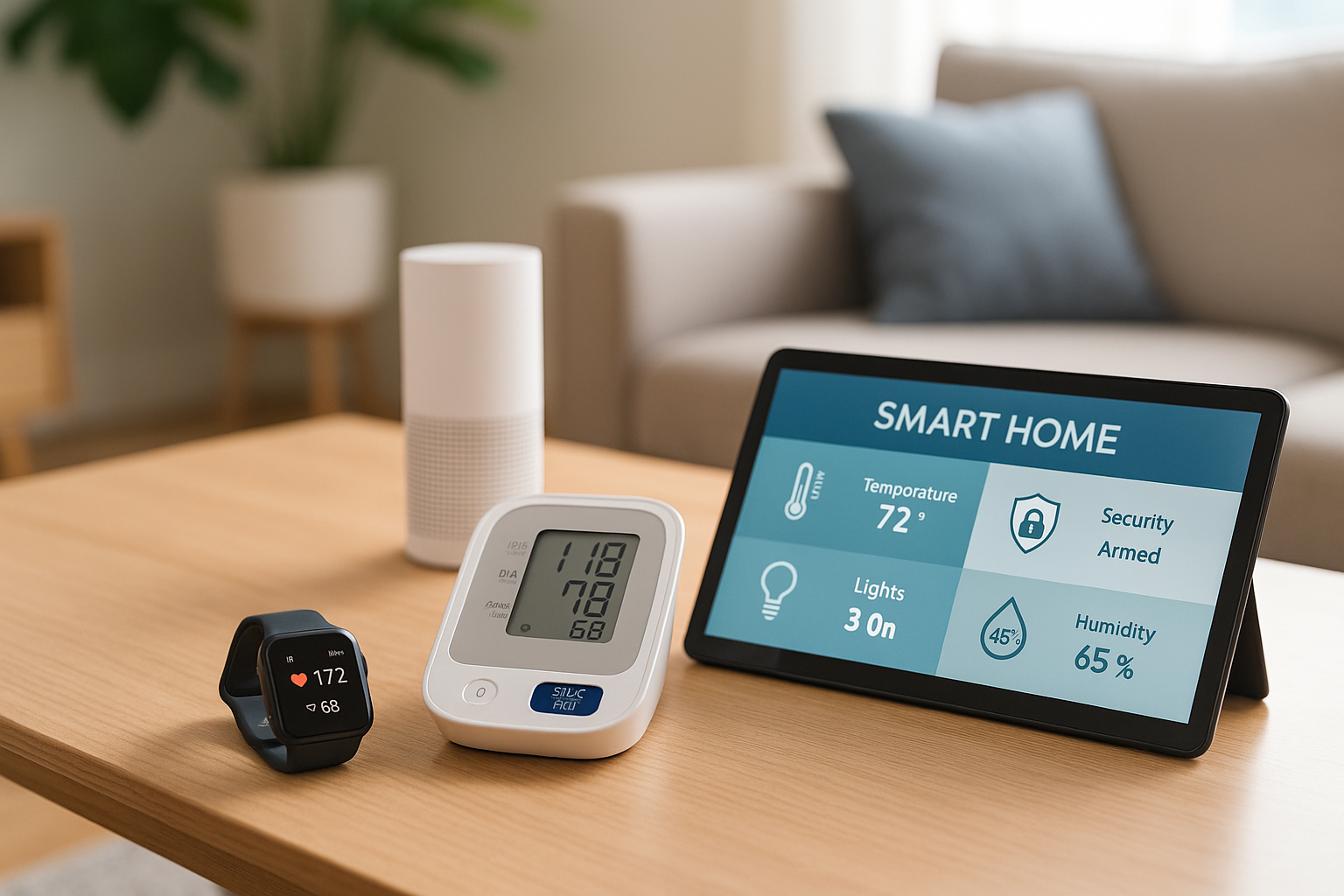
The Internet of Things (IoT) has moved far beyond convenience—it’s now transforming the way insurers assess risk, personalize policies, and interact with customers. Smart devices that track health habits, monitor home safety, and collect real-time data are reshaping both health and home insurance models. This technology-driven shift benefits insurers and policyholders alike by promoting prevention, transparency, and efficiency.
Smarter Health Insurance Through Wearables
Wearable health devices like fitness trackers, smartwatches, and connected medical sensors have revolutionized how insurers understand and reward healthy behavior. These devices capture data on physical activity, heart rate, sleep patterns, and even stress levels. Insurers can use this information to create more accurate risk profiles and offer wellness-based incentives such as premium discounts or cash rewards. By encouraging policyholders to stay active and maintain healthy lifestyles, IoT supports preventive care and reduces long-term healthcare costs.
Remote Health Monitoring and Early Detection
Beyond fitness tracking, IoT-enabled medical devices allow for remote patient monitoring—transforming chronic disease management. Devices that measure blood sugar, blood pressure, or oxygen levels send real-time updates to healthcare providers and insurers. This not only improves care but also reduces hospital visits and claims. For insurers, the result is more efficient resource allocation and lower risk exposure, while patients benefit from proactive health support.
Transforming Home Insurance with Smart Technology
IoT is also reshaping the home insurance landscape. Smart home systems—such as security cameras, water leak detectors, smoke alarms, and temperature sensors—help prevent damage before it occurs. Insurers are increasingly offering policy discounts to homeowners who install these devices because they reduce the likelihood of costly claims. A connected home means real-time risk monitoring, faster claims processing, and, in many cases, lower premiums for the customer.
Balancing Data Benefits with Privacy Concerns
While IoT brings efficiency and personalization, it also raises important questions about data privacy and security. With vast amounts of personal data being shared, insurers must ensure robust cybersecurity measures and transparent data-use policies. Clear consent mechanisms and encryption protocols are vital to maintaining customer trust. Balancing innovation with ethical data practices will be key to the continued growth of IoT-based insurance solutions.
Conclusion
IoT technology is transforming insurance from reactive to proactive. By integrating connected devices into everyday life, insurers can reward prevention, enhance safety, and offer personalized coverage like never before. As technology advances, the partnership between data, devices, and insurers will continue to redefine how we protect our health and homes—creating a future where insurance isn’t just about recovery, but prevention.