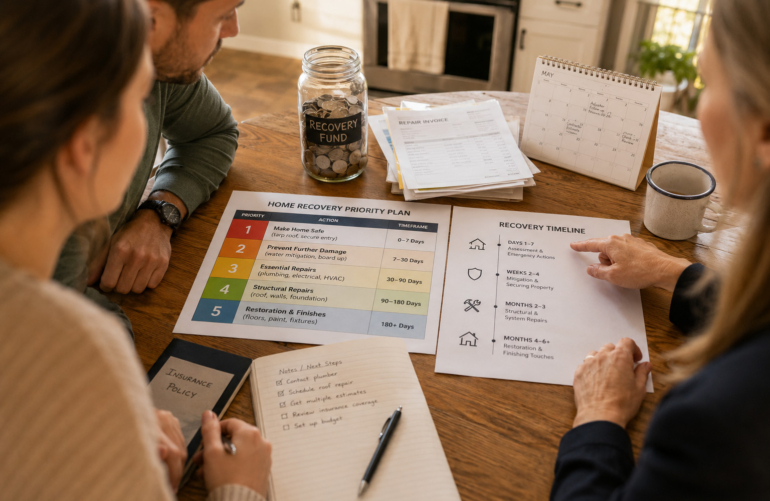
Introduction Insurance often feels abstract until a real problem demands a quick recovery. Running a few realistic scenarios exposes gaps that policy summaries miss. This method helps you weigh cost, likelihood, and speed of recovery in context. Below are…

Introduction Insurance is most useful when it speeds recovery after loss and prevents long-term financial harm. A practical prioritization focuses on how quickly you can rebound without a payout. Decisions that shorten disruption should typically come first, while accessory…
Introduction When cash is tight, a focused, rules-based approach helps preserve essentials and reduce stress. Small, repeatable steps create breathing room without overhauling your entire budget. This article outlines pragmatic actions you can use in the coming weeks to…
Introduction When cash is tight, clarity matters more than complexity. Identify the upcoming payments and the dates that matter most. Decide which expenses keep your life stable and which can pause for a month or two. A simple, written…
Introduction Building a stronger credit score is rarely an overnight achievement and benefits from a steady, repeatable process. A monthly routine helps you focus on a few high-impact tasks without overwhelming your schedule. Small, consistent actions reduce risk and…
Introduction Sticking to a quarterly review creates a manageable cadence for credit improvement. By reviewing accounts every three months you catch errors and trends before they compound. A predictable schedule reduces procrastination and helps prioritize the highest-impact actions. This…
Introduction Deciding which insurance to buy and when can feel overwhelming, but focusing on recovery priorities simplifies choices and cuts through marketing noise. Start by identifying losses that would most hinder day-to-day life or derail longer-term goals, then work…
Introduction Insurance choices can feel overwhelming, but a clear order makes buying coverage manageable and efficient. Start by focusing on protections that prevent financial ruin, then layer in policies that smooth recovery and preserve assets. This approach helps you…
Introduction When cash feels tight, a short, clear plan reduces stress and keeps essentials covered. Focus on what must be paid now, what can wait, and how to create breathing room quickly. This piece outlines practical priorities and simple…
Introduction When a paycheck looks smaller than expected, a short, clear plan helps prevent stress from turning into harm. This checklist focuses on immediate priorities you can act on in days, not weeks. It balances protecting basics, shifting nonessential…